I'm a father of 3 from Sydney, a Product Director and a Product Coach. I write about leadership, product management and the messy reality of making work work.
I'm currently building and experimenting with a mildly alarming number of things.
Subscribe to the best posts on product, strategy, and AI. Just one email a month.
One of the biggest game-changers in my career has been learning to think through writing. I used to spend so much time just “thinking” about problems without making any real progress.
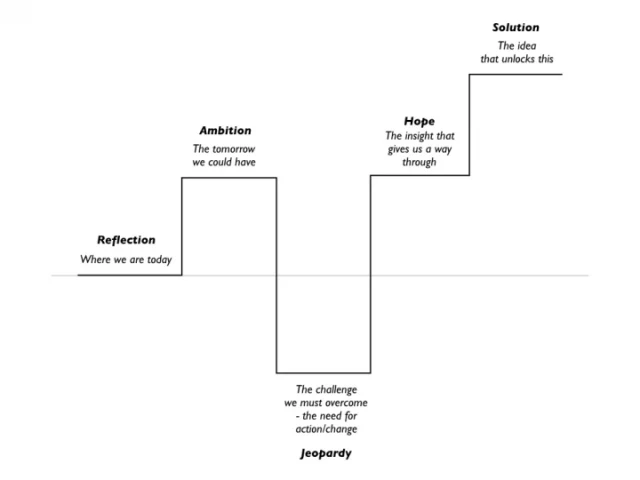
Now, I write the problem down. I refine it, tweak it, explore it from different angles, visualise it and ask ChatGPT for new angles. Once that's clear, I map out ways to solve it - my plan. But I don't stop there.
Real understanding of the problem comes through action. Progress brings the most valuable insights.
Problem-solving isn't linear. You can't fully define a problem until you start solving it and you can't predict when it'll be fully defined - or resolved.
Clarity comes as you move forward.
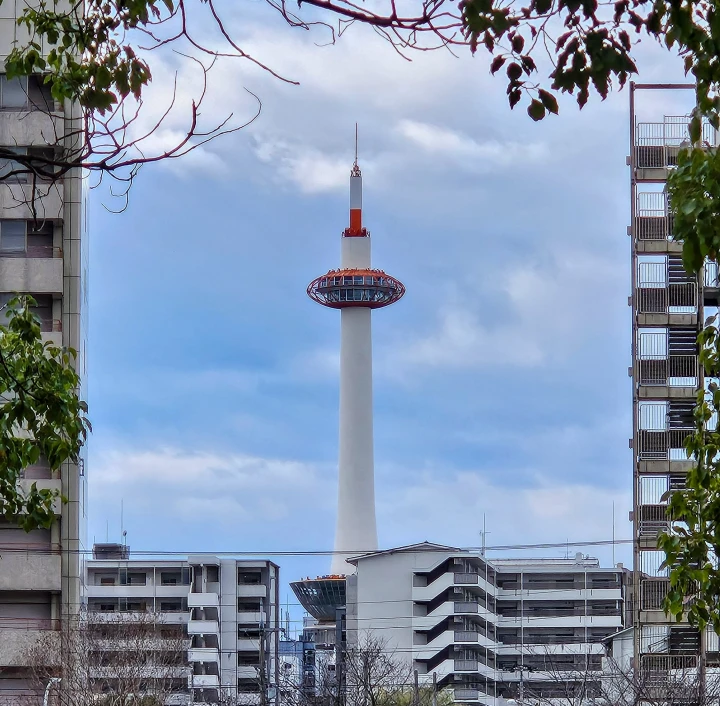
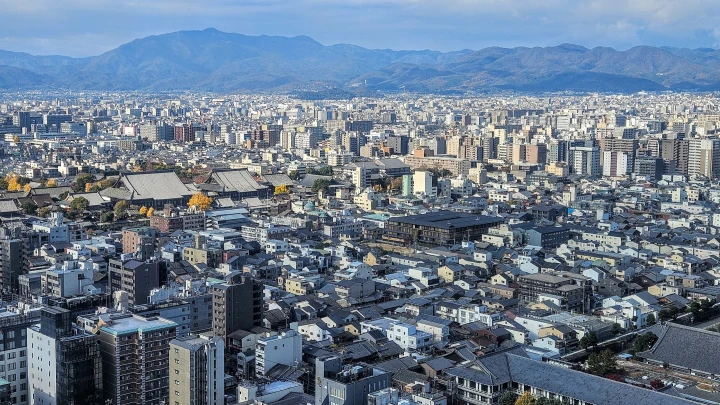
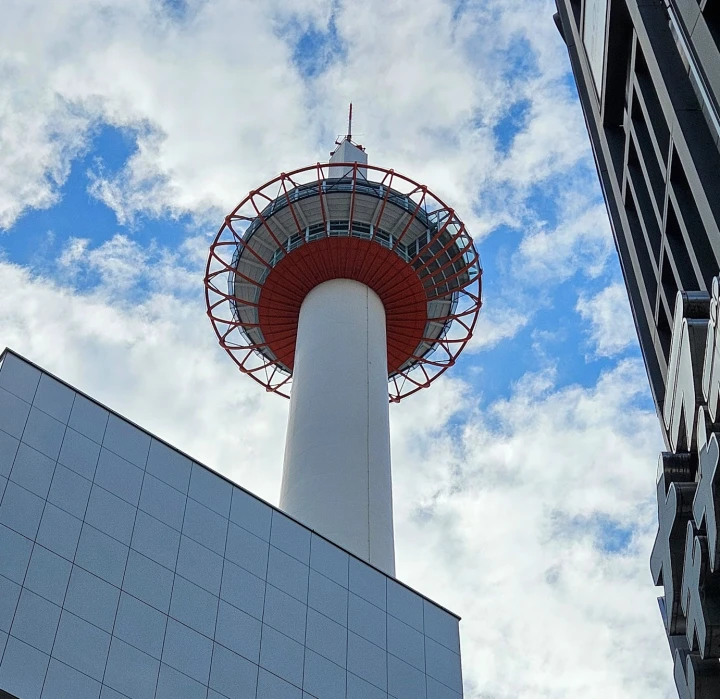
The first full day in Kyoto, a city home to over 1,600 Buddhist temples and 400 Shinto shrines.
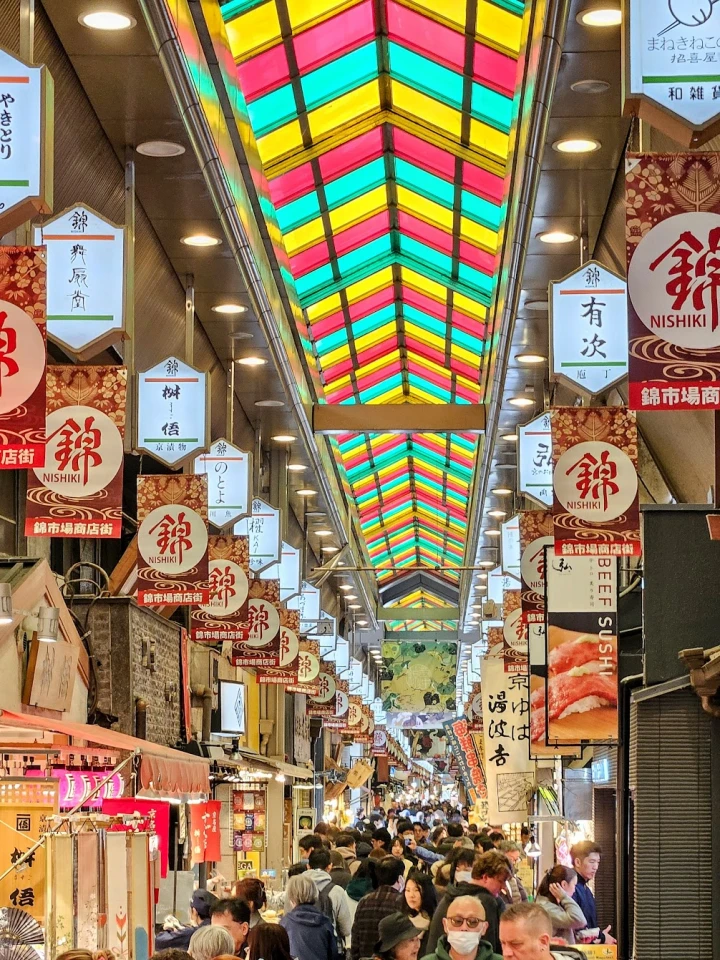
Busy Nishiki Market on Monday morning.

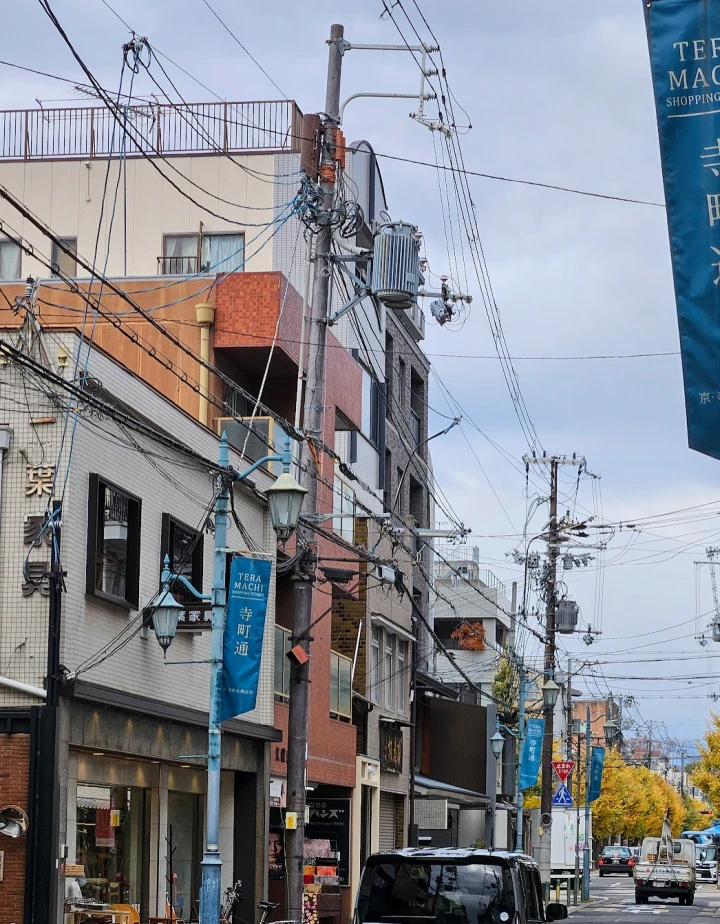
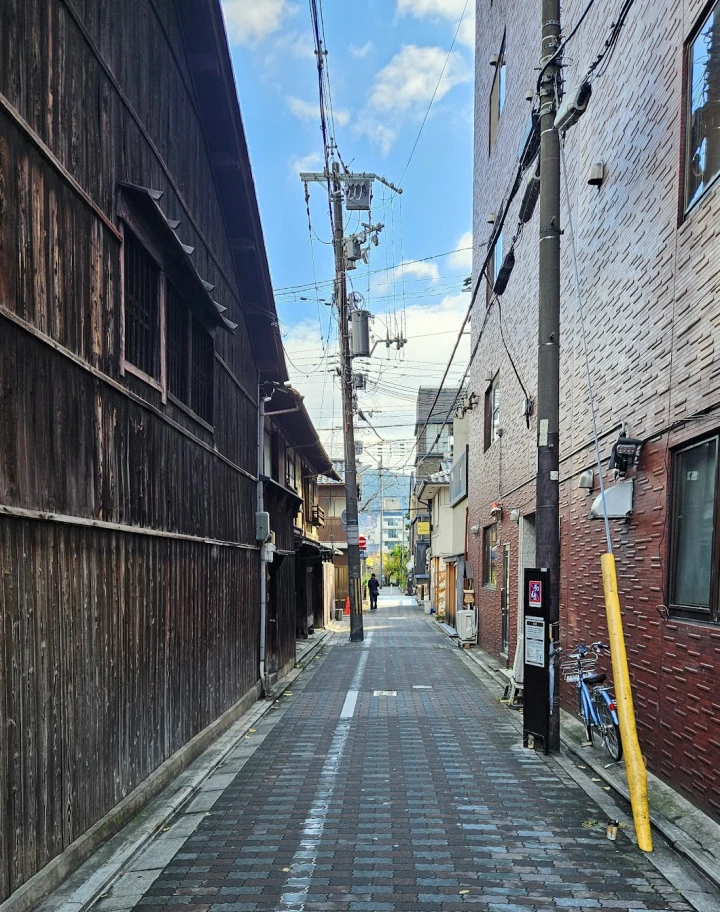
There are many wires hanging from the poles. I'm not sure why they don't bury them underground - perhaps it's due to earthquakes.

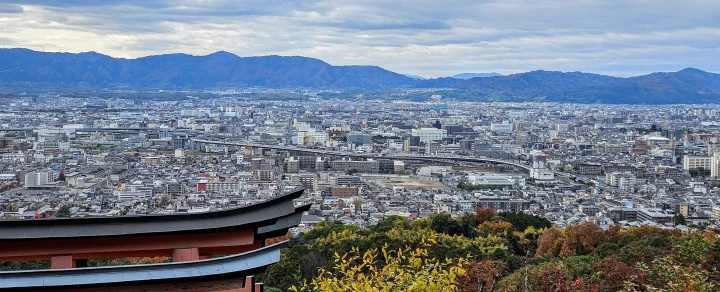
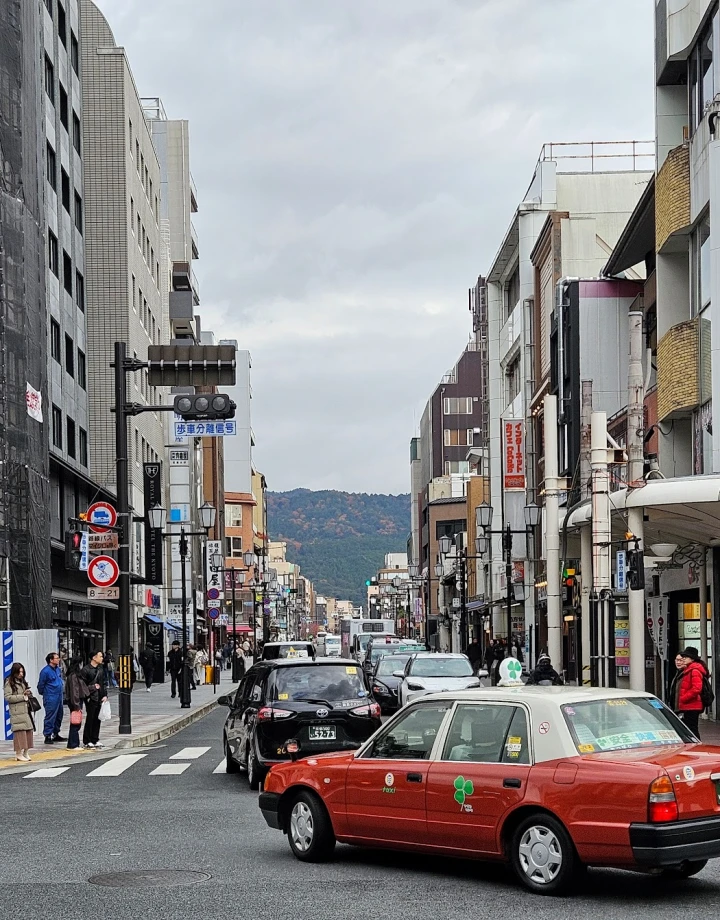
The city has strict height restrictions, preserving its low-rise, picturesque views.

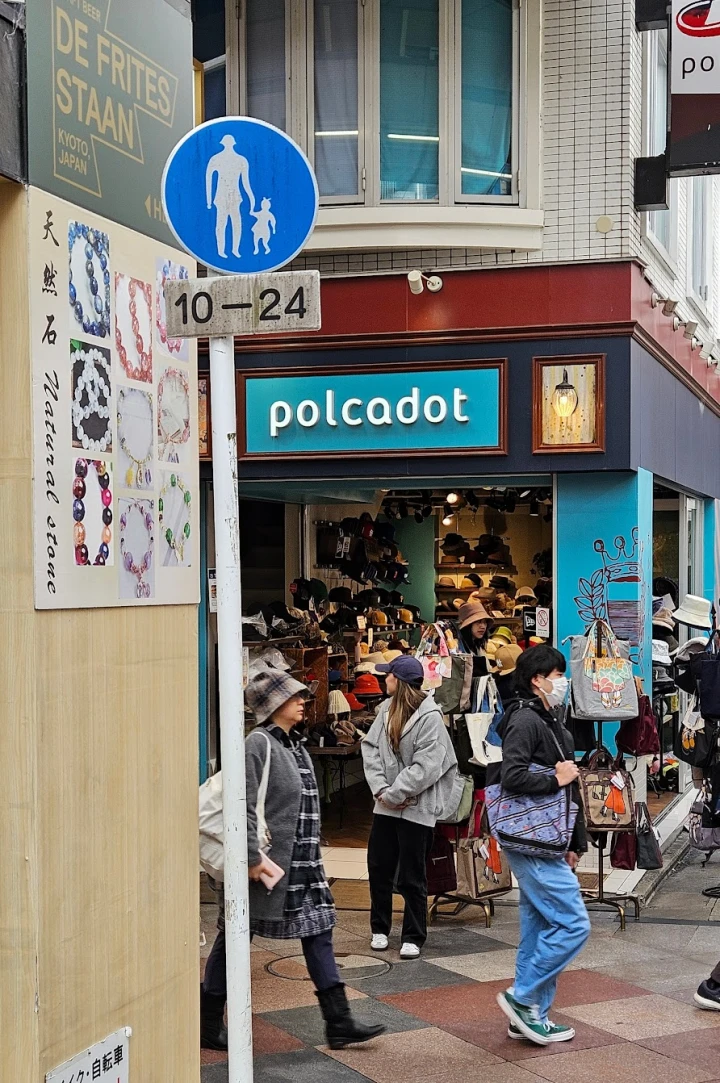
A road sign that looked like an alien holding a child.

And the streets here? They're typically narrow and quiet.

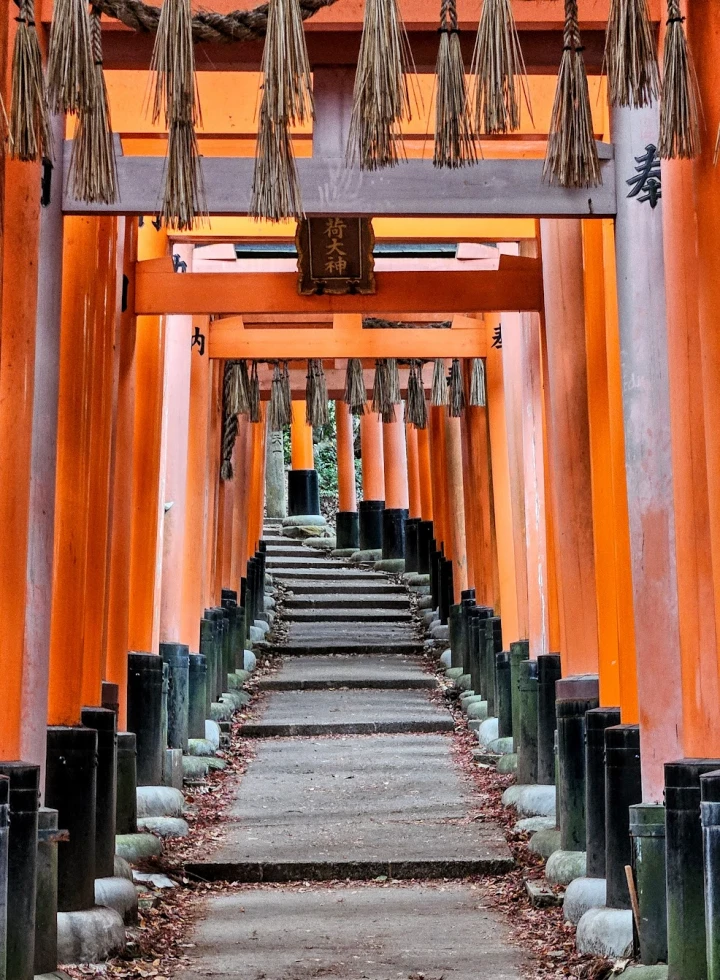
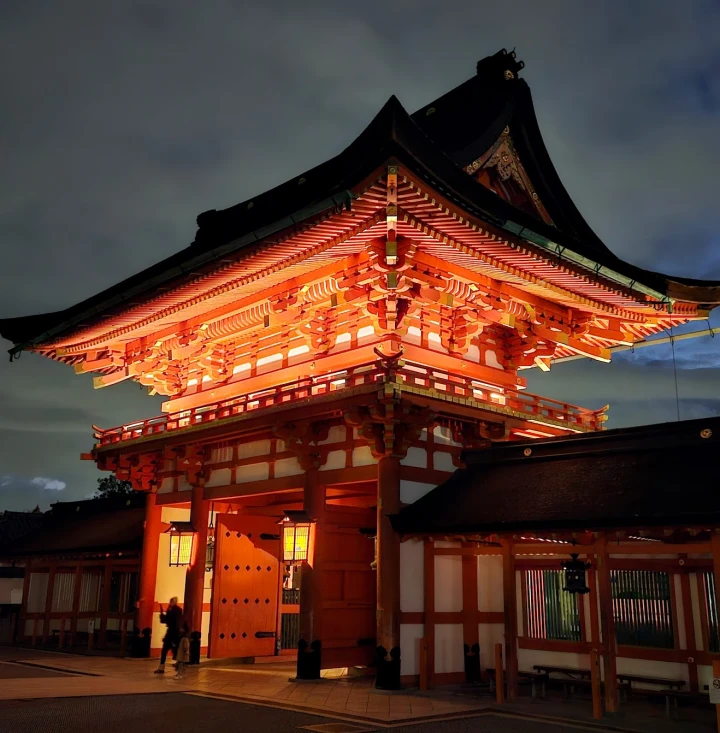
Fushimi Inari Shrine at night

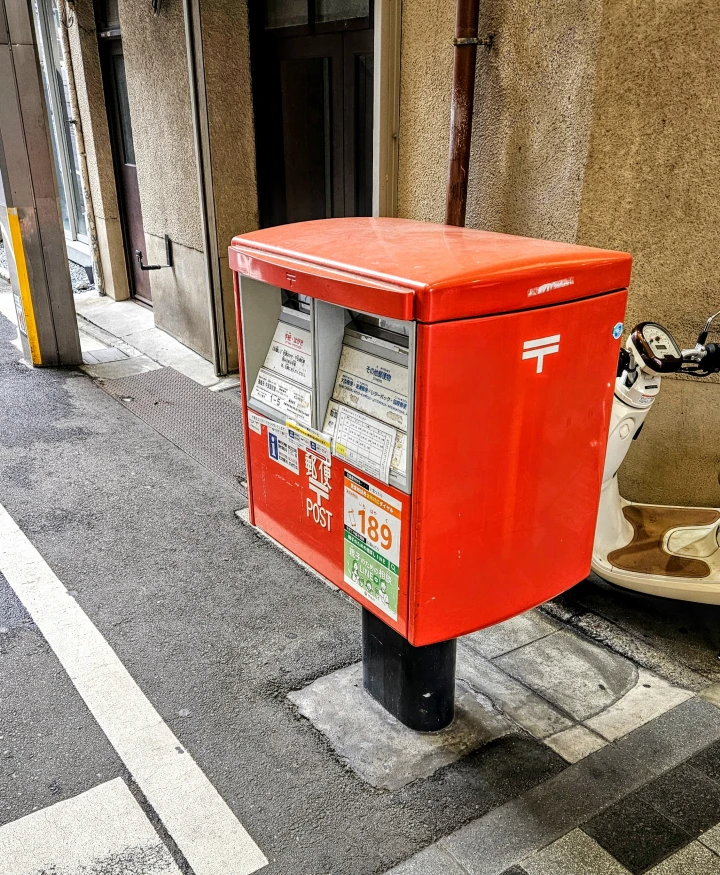
Japanese post boxes are delightfully short. Their tops barely reach belly-button height.
This compact design is no accident. It prioritizes accessibility, ensuring children and wheelchair users can easily reach them.

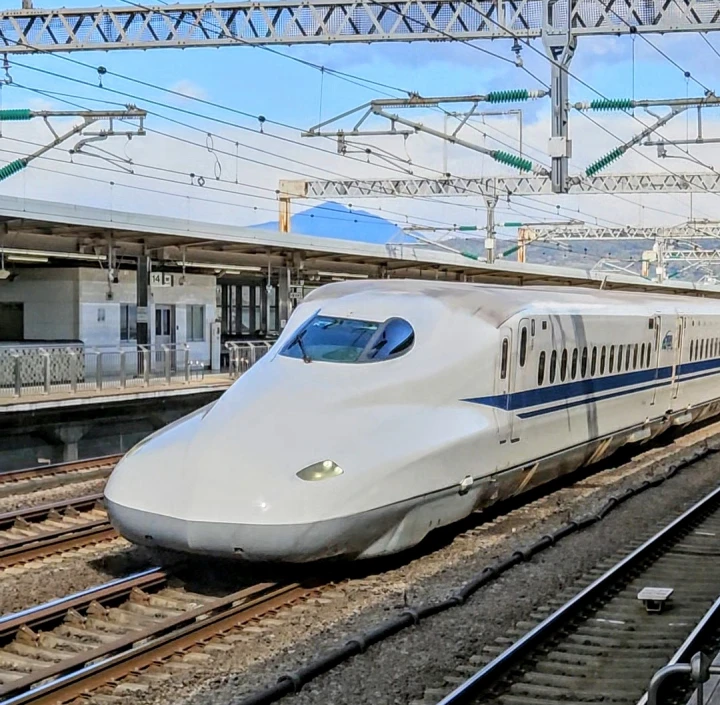
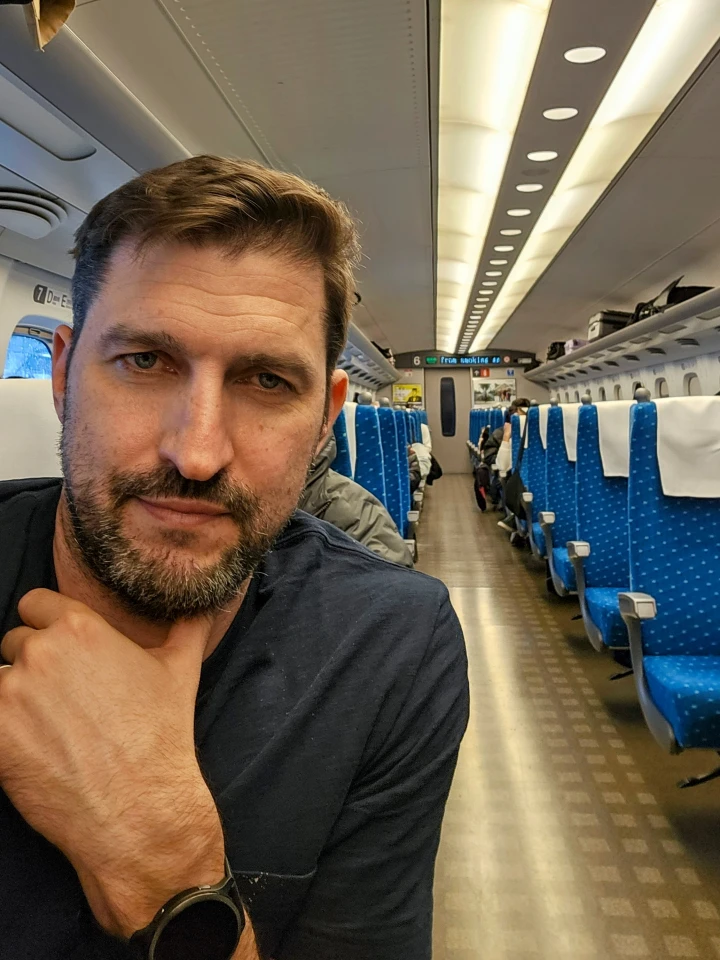
Today, we took the Shinkansen from Odawara to Kyoto.

The experience was smooth and hassle-free. The train covered an impressive 365 km in just 2 hours and 5 minutes.
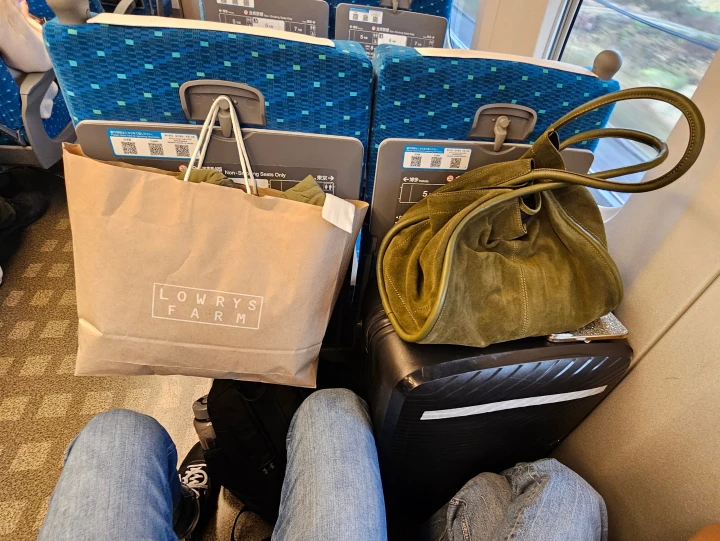
Travelling with luggage wasn't an issue at all. While there wasn't enough space for my suitcase on the overhead shelf, it fit comfortably in the legroom area and between the seat in front of Em.


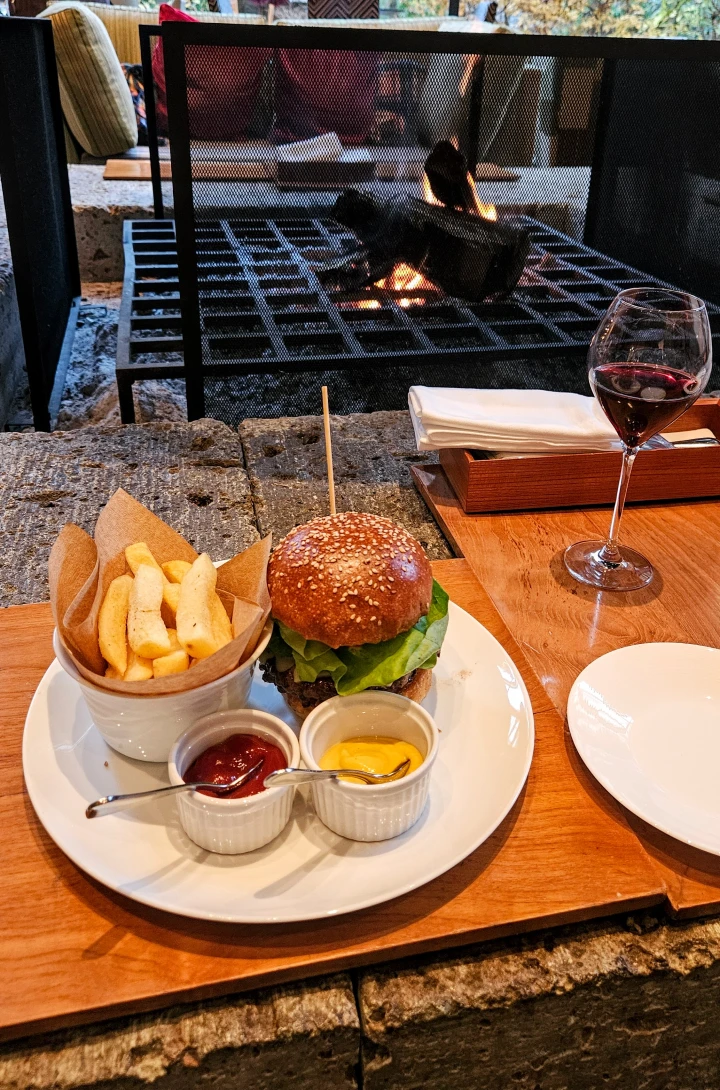
Last night, I went for a "traditional" Japanese dinner for a change 🙈
One thing that's been a bit tricky about food in Japan is finding accessible vegetables. Sure, you can track down tomatoes and lettuce but it's not as simple or as common as in Australia.
Supermarkets aren't as common in urban areas, with most shopping options centred around smaller convenience stores like 7-Eleven and Family Mart.

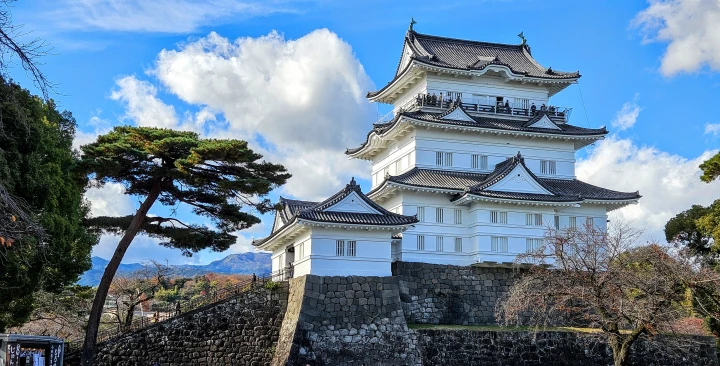
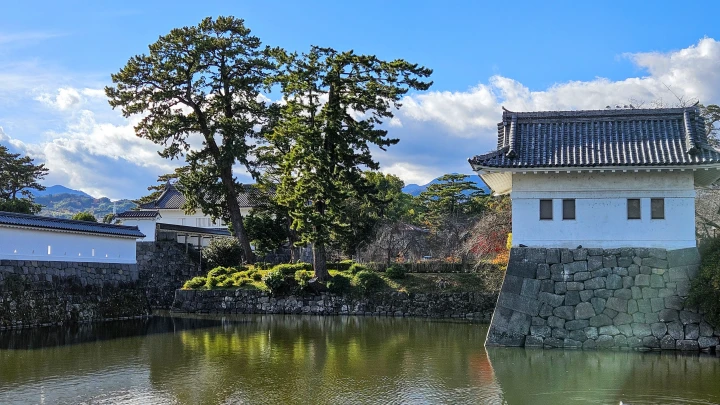
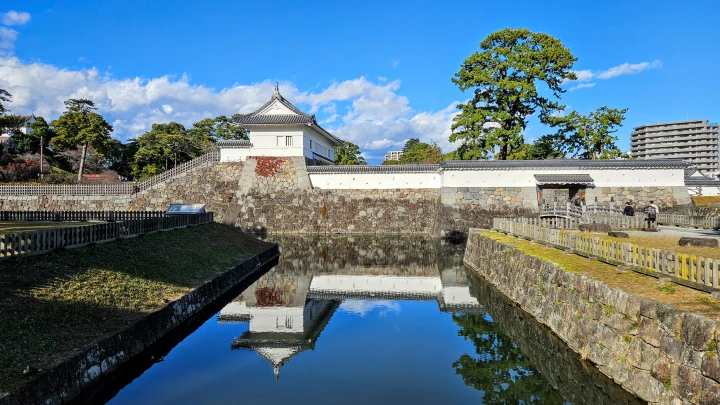
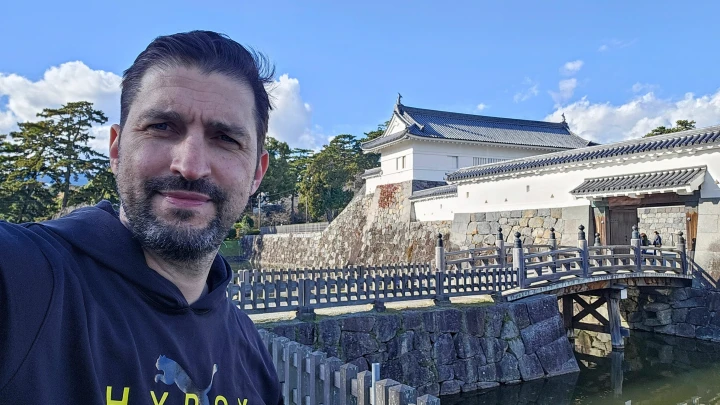
Visited Odawara Castle this afternoon - a place steeped in history. Once the base of the Hojo Clan, it grew into one of the region's most formidable fortresses. At its height, the castle town was protected by an incredible 9-kilometre moat and earthen walls. Sadly, much of it was destroyed during the Great Kanto Earthquake in 1923.


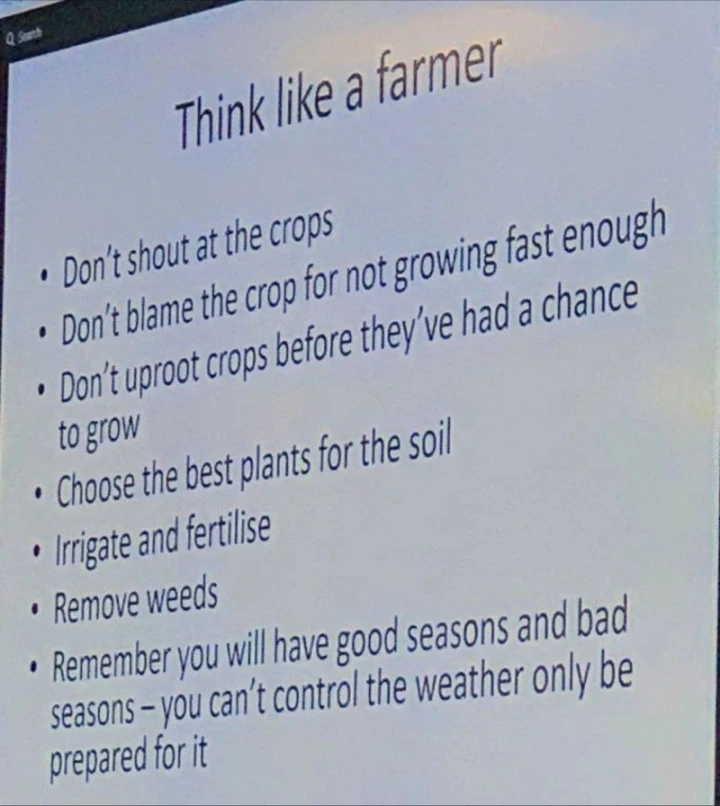
I can't recall where I found this picture, but it's such an interesting analogy. Leadership is like farming - nurture the right conditions and growth will follow.
That said, sometimes you end up with the wrong crops or weeds mistaken for crops and it's just as important to weed those out.

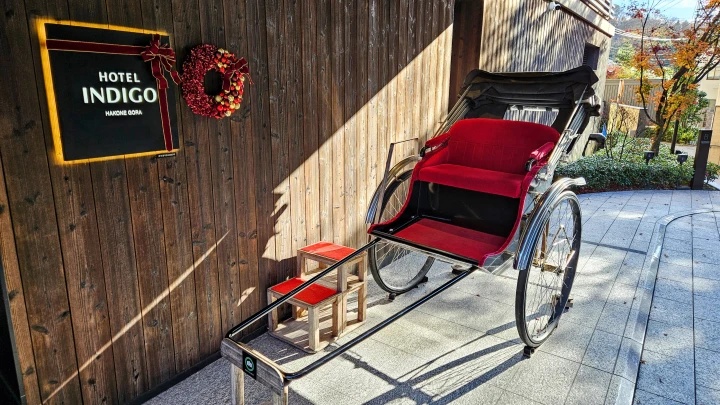
Hotel Indigo Hakone Gora The entrance of Hotel Indigo Hakone Gora - a traditional Japanese rickshaw with its vibrant red upholstery adds a touch of tradition.

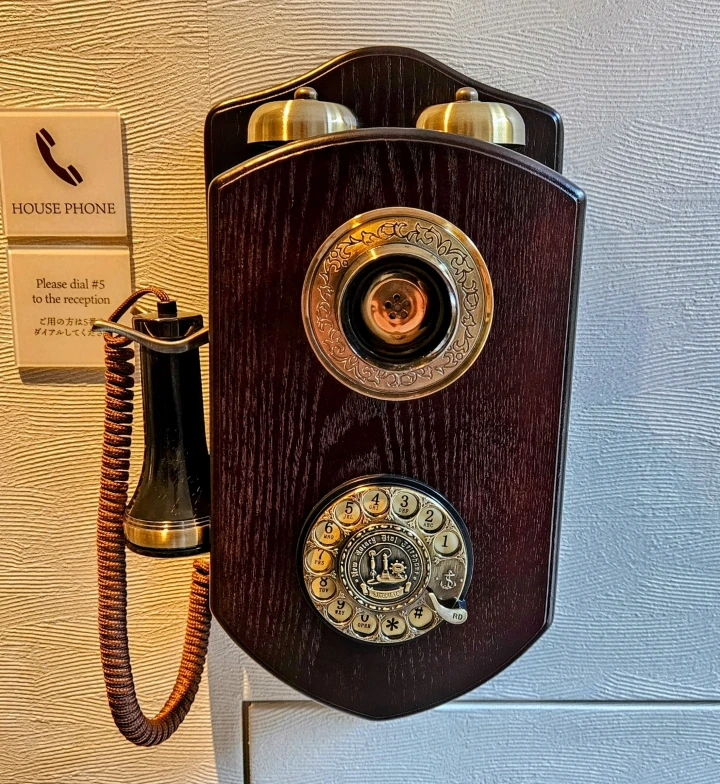
A vintage-style wall phone with rotary dial.

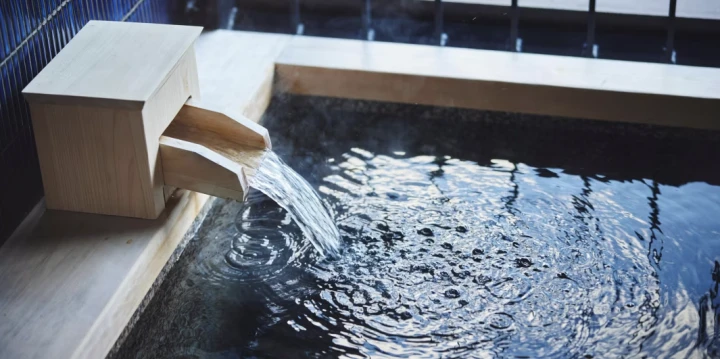
Our room comes with a private Japanese onsen (hot spring).

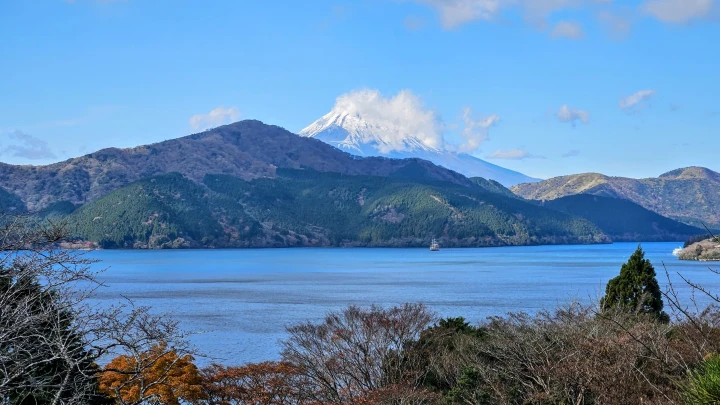
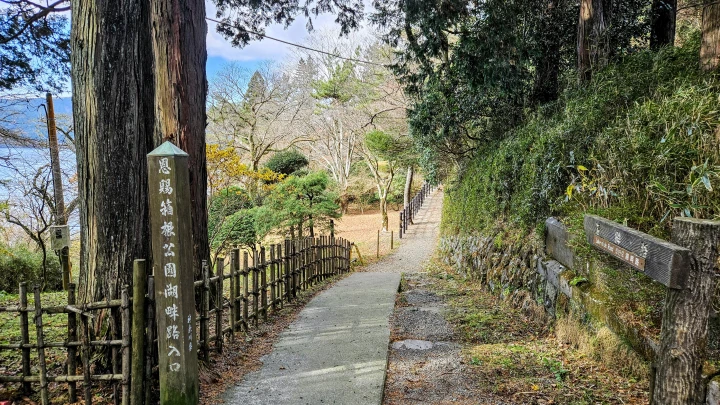
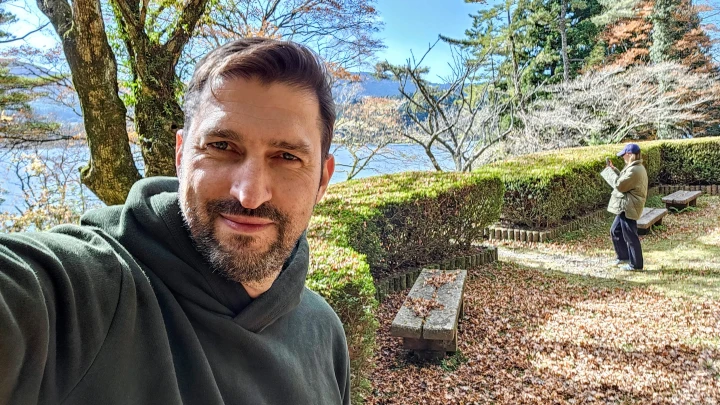
Today we visited Lake Ashi (Onshi-Hakone Park), a stunning crater lake in Hakone known for its natural beauty and breathtaking views.
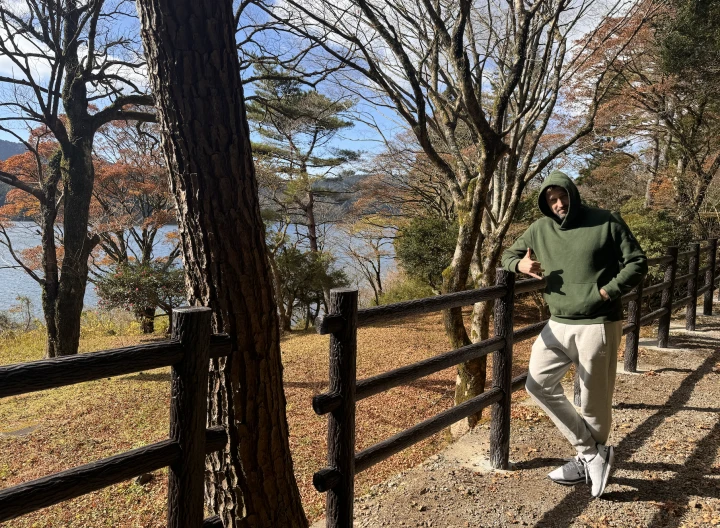
Lake Ashi was formed around 3,000 years ago after a volcanic eruption of Mount Hakone. It's also famous for its sightseeing cruises, where pirate-themed boats take visitors across the lake for a fun, scenic experience. We skipped the cruise this time - it was a bit chilly at 7°C and windy!
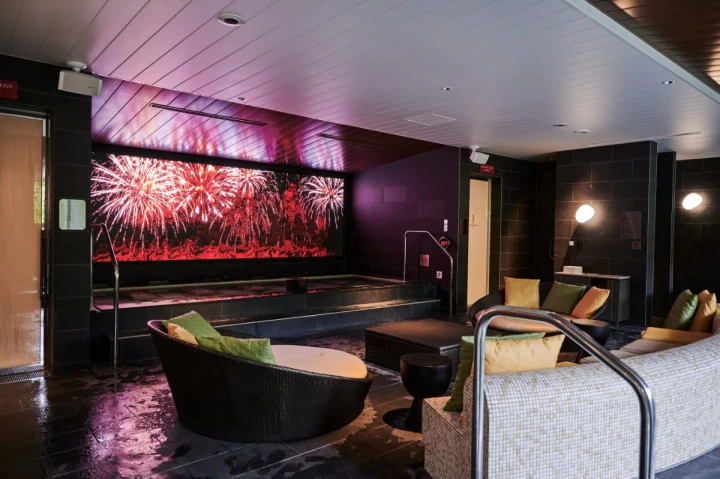


Last night, we enjoyed a Japanese onsen (hot springs) at Hotel Indigo in Hakone. This area has been a popular onsen destination since the Nara Period (710–794), drawing travellers, monks, samurai - and now us 🙈 - for its therapeutic waters.
Fun fact: Japan has over 27,000 natural hot springs, making it one of the most geothermal-rich countries in the world!

We found this tiny hole-in-the-wall restaurant (Yokohama abura soba in Tokyo) - seats a max of 8 people - with authentic Japanese food. It was absolutely delicious.


The magnificent Mount Fuji (3,776m) - Japan's tallest mountain. Though it last erupted in 1708, it is still classified as an active volcano.
We were lucky to enjoy clear skies two days in a row!


I launched the "Timeline" while on holiday in Japan. Here's why: A Return to Old-School Blogging
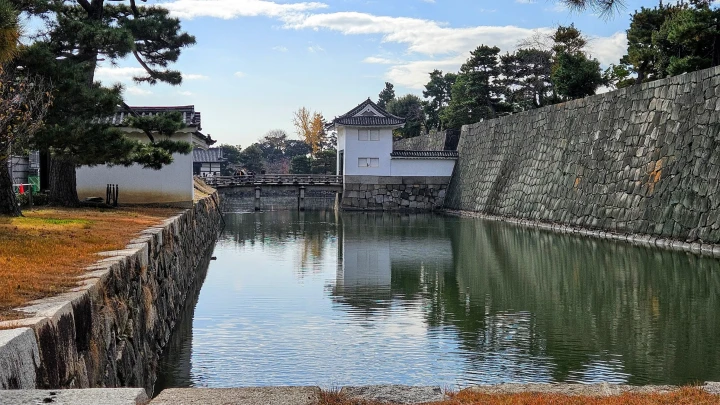
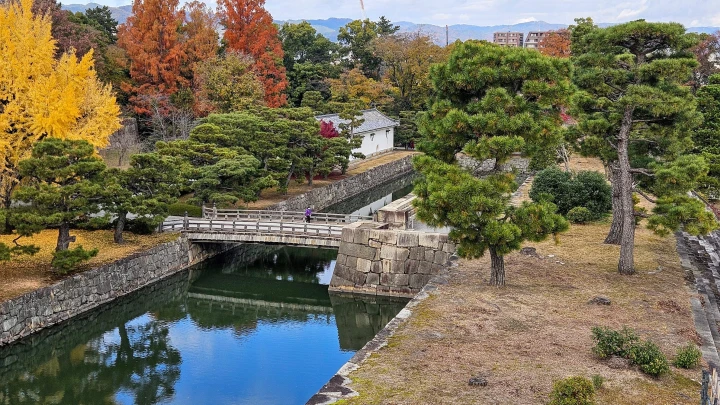
I went for a scenic run around the Imperial Gardens in Tokyo - a 5-kilometre loop encircling the grounds. The path follows the palace's moat, offering views of historic stone walls and traditional bridges. So good!

Search
Explore pillars