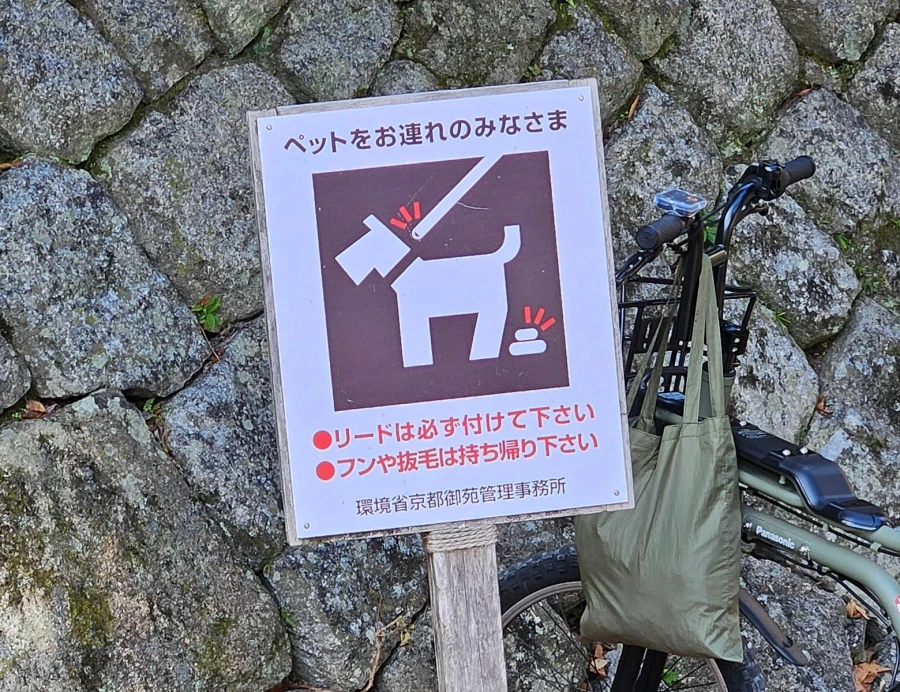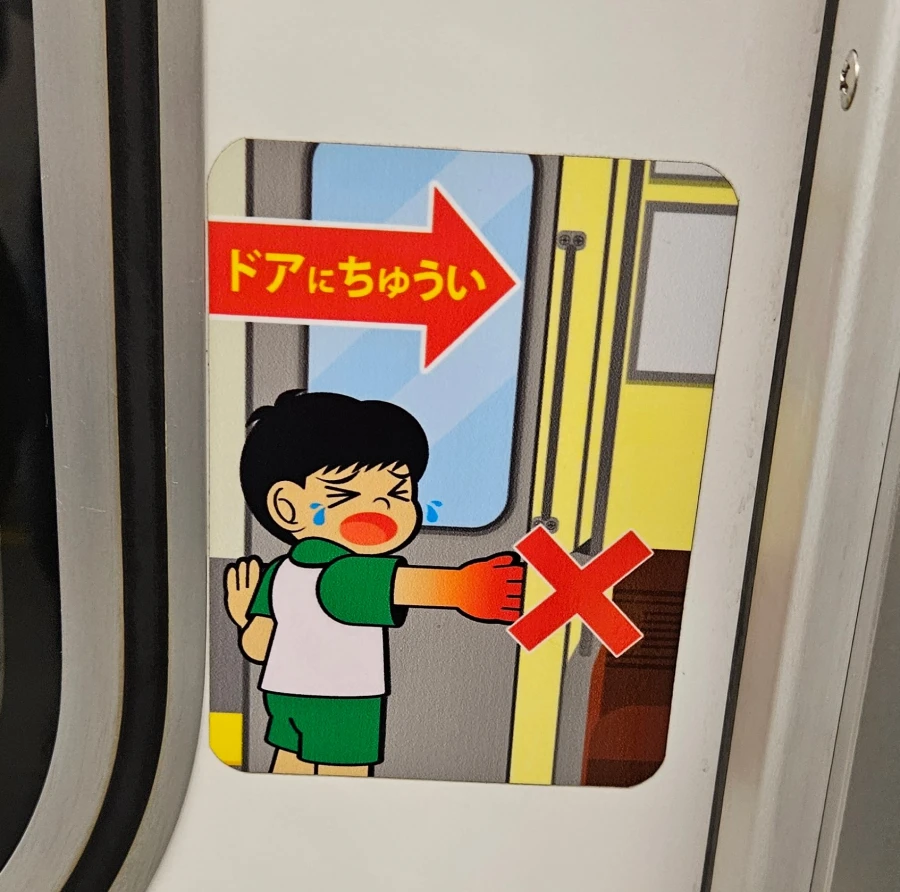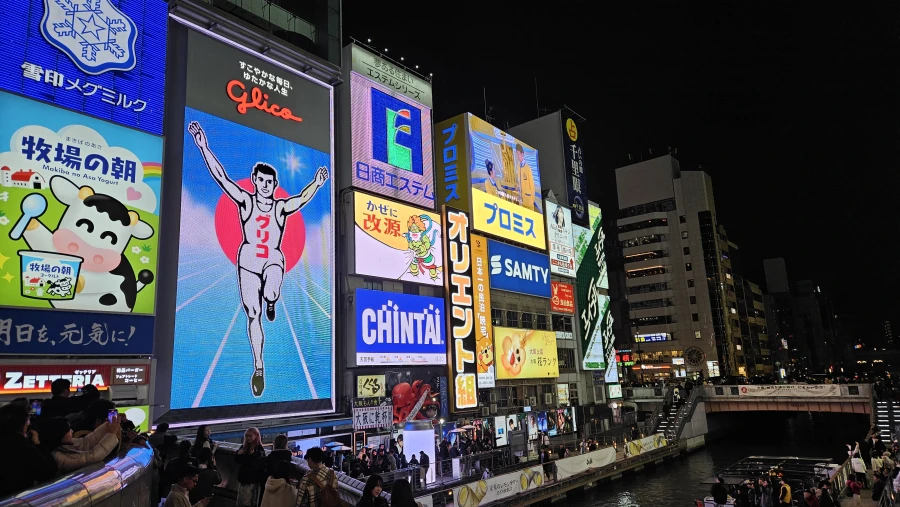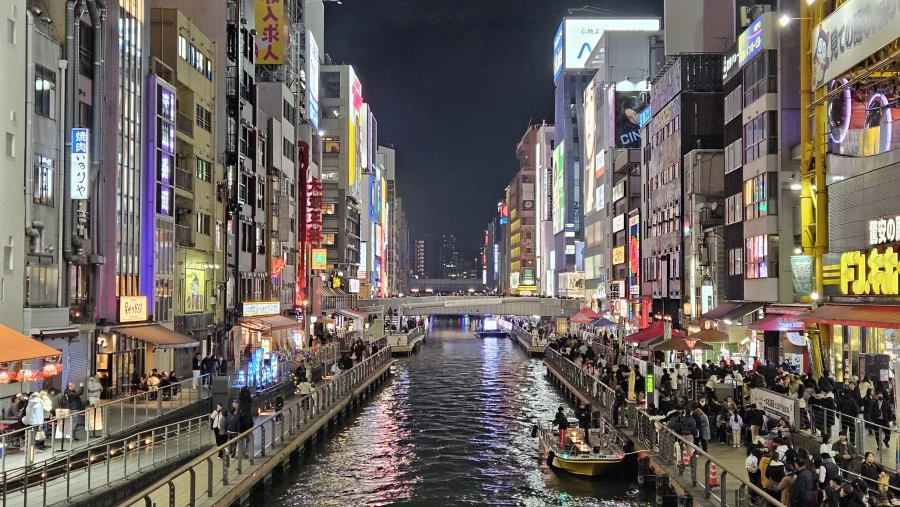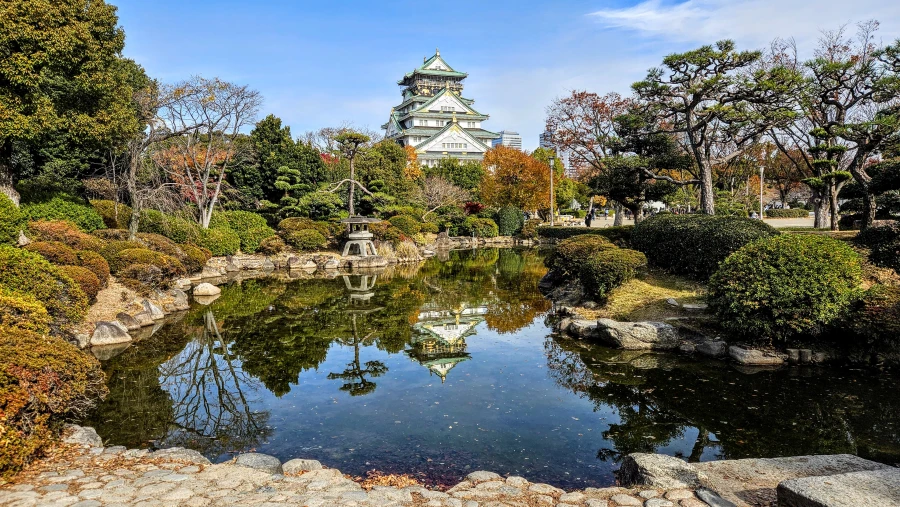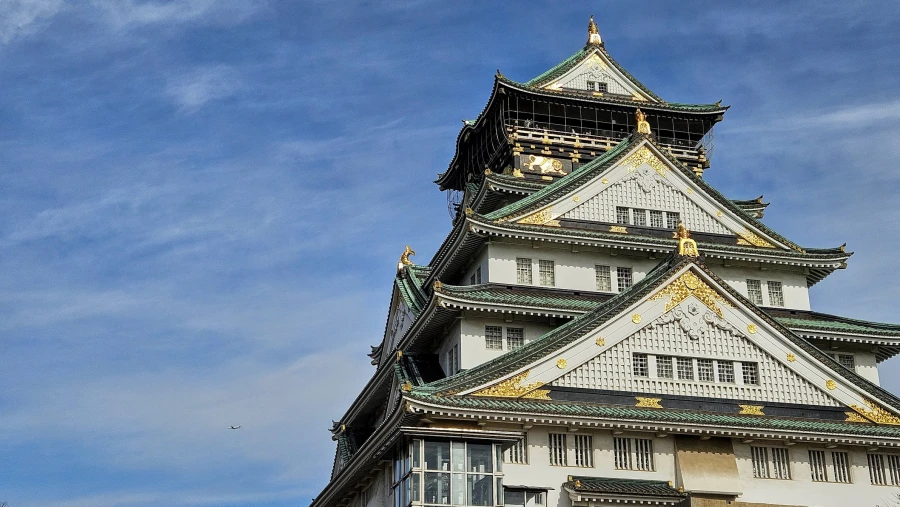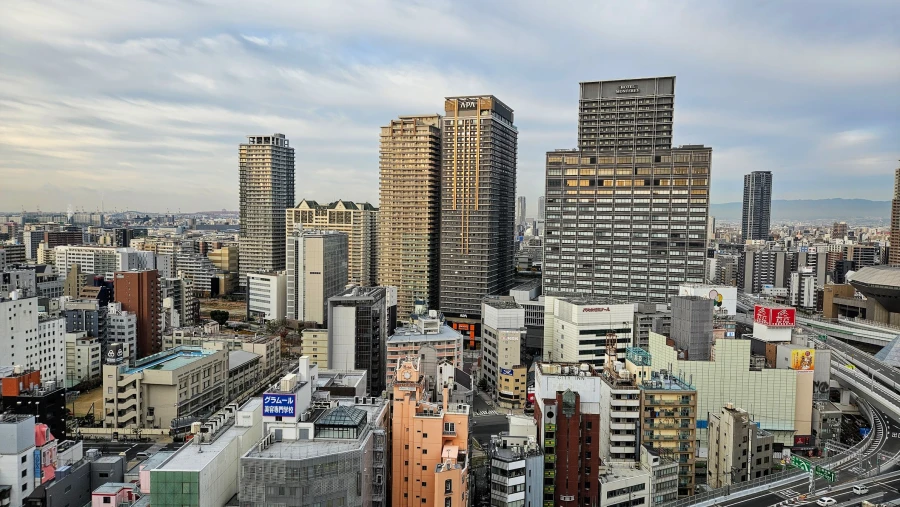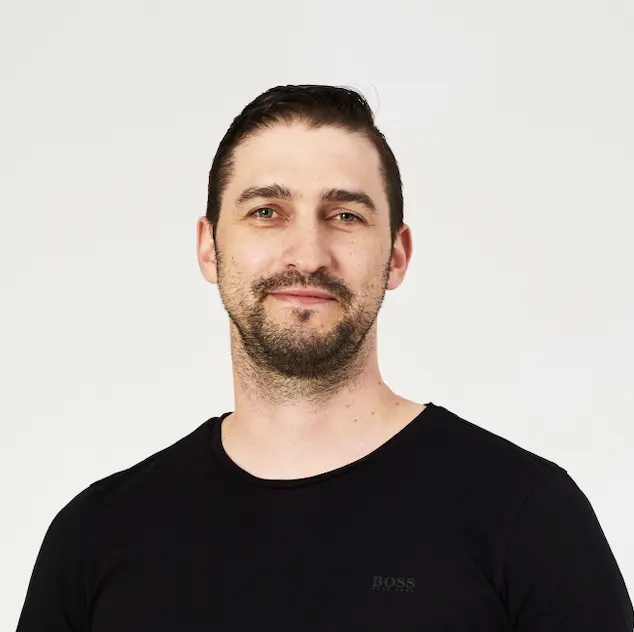
In Osaka today. Fun fact: Osaka brought the world the sushi train in 1958!

Best posts on product, strategy and AI. One email a month.
In Osaka today. Fun fact: Osaka brought the world the sushi train in 1958!

Leaders thrive on connection. Taking time to engage with teams builds trust and fuels collaboration.
The risk lies in misreading commitment. Valuing late nights over outcomes sends the wrong message, tying effectiveness to hours rather than impact.
Great leadership doesn't trade presence for results. It inspires through balance and focus.
One of the smartest things the new CEO did was start an “open door” policy. His version of that was walking around and getting to know people, but also inviting anyone and everyone to stop by his office after 4 p.m. to talk; there was no agenda. He let them know that he would stay as late as necessary if they wanted to chat. Many nights he didn't leave the office until 8 or 9 p.m. David Rohlander, The CEO Code
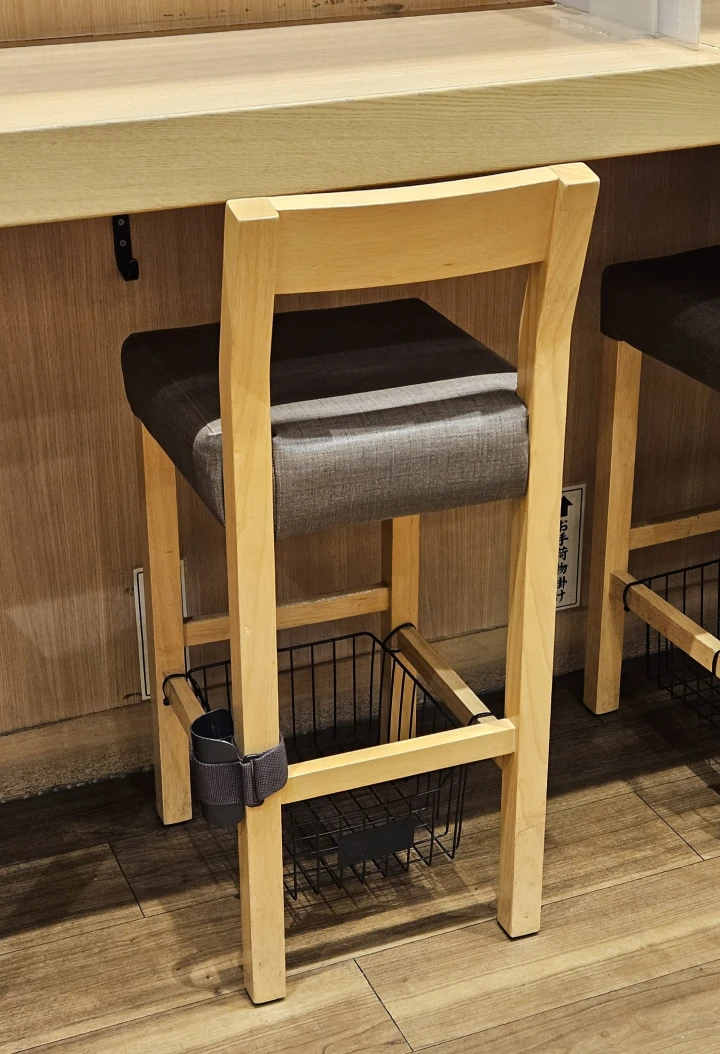
Japan's mastery of small-space solutions shows in designs like a basket under a cafe chair and an umbrella holder. These simple ideas maximise convenience and keep spaces uncluttered.

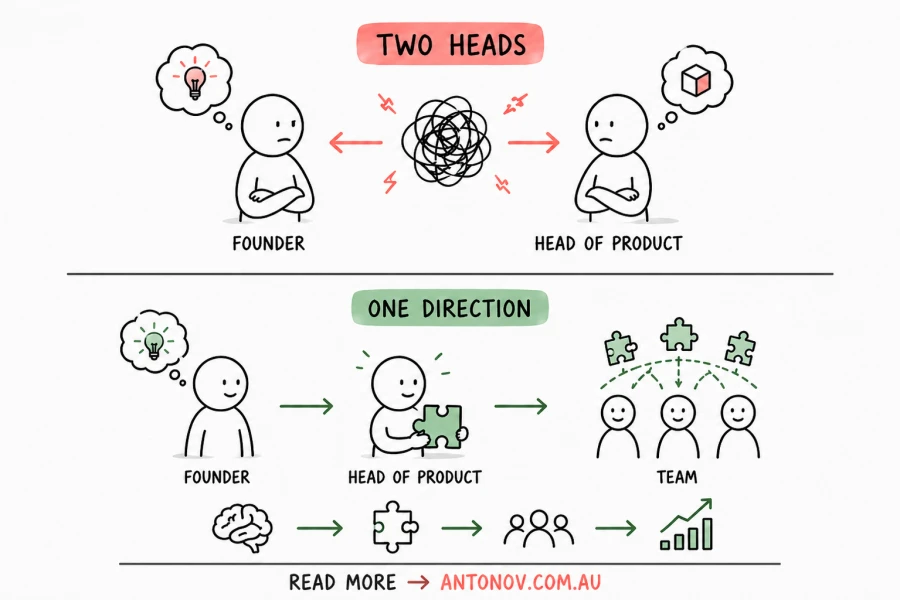
A team doesn't always need a dedicated product manager.
In startups, founders often take on this role naturally, using their deep understanding of the market and their vision for the product.
In larger companies, if the team already has a strong handle on strategy, data and market needs, they can absolutely operate without a formal PM. However, someone still needs to take charge of the product function - making prioritisation decisions clear and aligning the team around common goals.
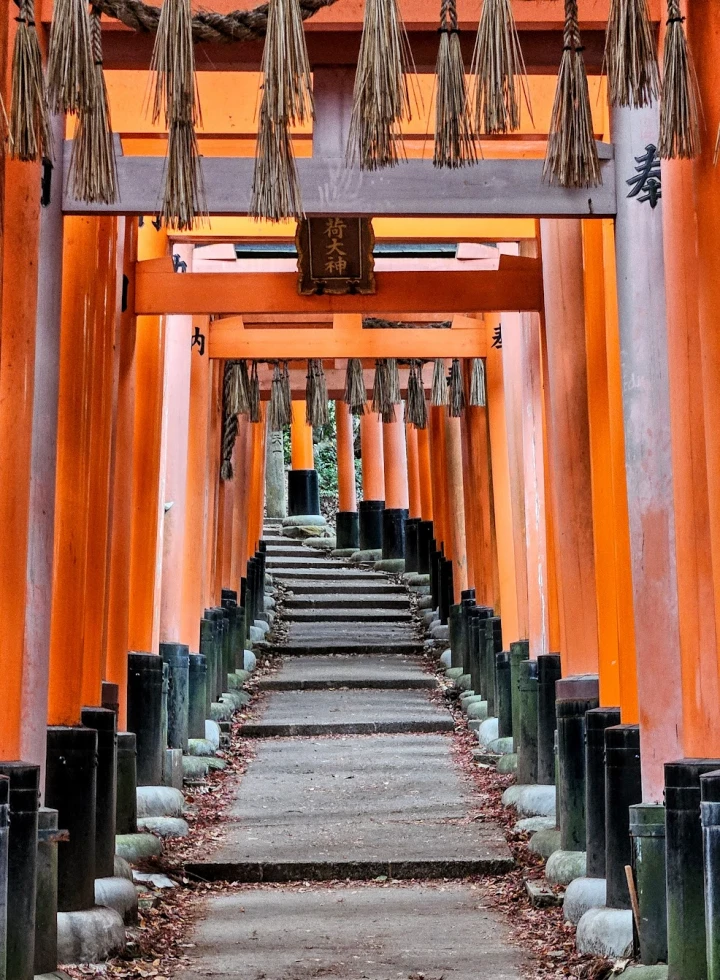
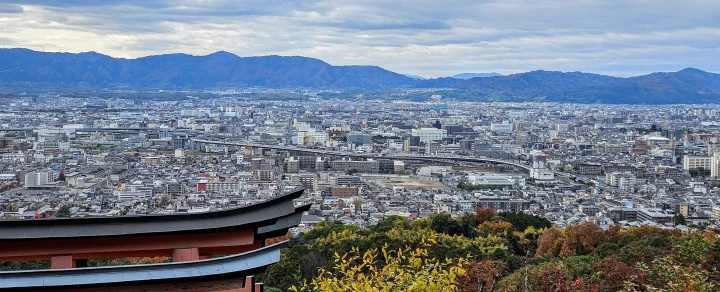
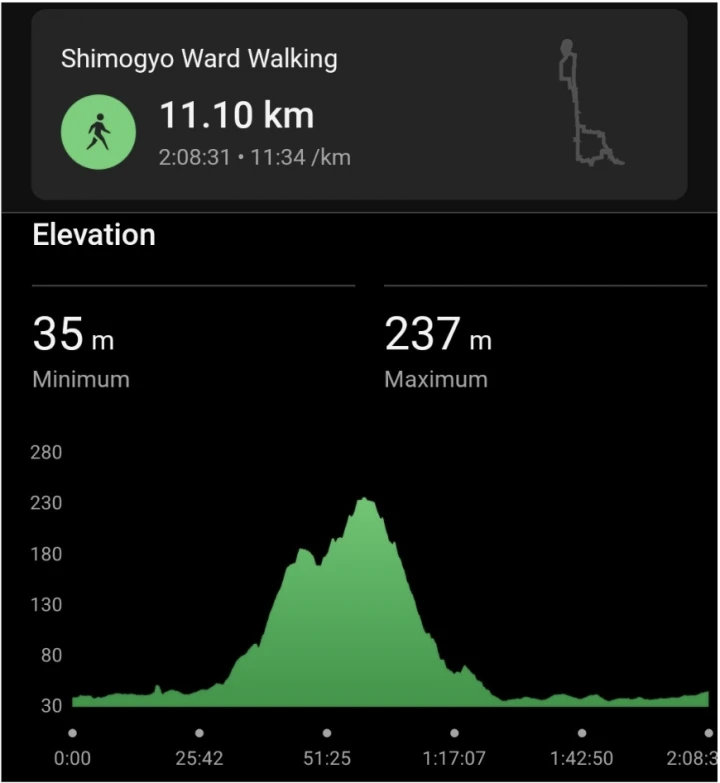
I had a lovely 11km walk (included a nice hill climb) over two hours from the hotel to Fushimi Inari Taisha, one of Japan's most iconic Shinto shrines in Kyoto.

The pathway up Mount Inari is lined with over 10,000 torii gates, each inscribed with the donor's name and the date of their donation.

The shrine itself extends across Mount Inari, with the summit standing at around 233 metres - a great workout!
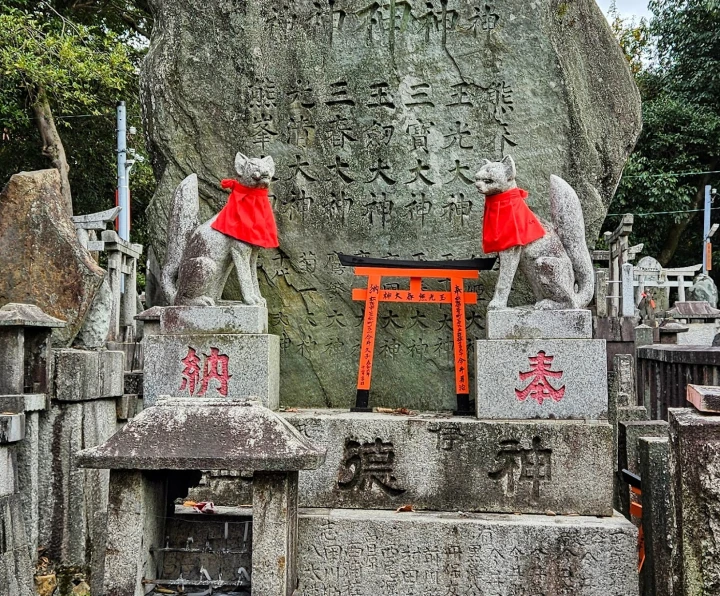
Scattered throughout the grounds are stone fox statues, which are considered messengers of Inari. Many of these foxes are depicted holding keys in their mouths, symbolising the key to a rice granary.

The fox statues wear bright red scarves as a way to show respect and thanks to the spirit they represent. The red colour is also thought to keep away bad spirits and bring protection.


Visited Kyoto Tower (131 metres tall, completed in 1964, inspired by a candle-like design). While it's undeniably an iconic structure, the observation deck was surprisingly small, with a ceiling so low I could touch it with my hand.
Despite being built to withstand earthquakes and typhoons, the slight movement of the deck was noticeable - which definitely freaked out Em a bit!


Feature prioritisation isn't always about frameworks like ICE (Impact, Confidence, Effort), Kano or MoSCoW.
Sometimes, it's about building momentum - creating buzz, lifting your team's morale, staying ahead of competitors or even strengthening internal relationships.
The challenge is finding the balance between chasing these quick wins and staying true to your long-term vision.

Nijō Castle, built in 1603 as a residence for Shogun Tokugawa Ieyasu, is a place best experienced in person. Its cypress-wood architecture and extensive gardens are amazing, far beyond what photos can convey.


I've applied for the Sydney Marathon 2025.
Now that it's a major event, you have to apply and hope for the best to secure an entry. Fingers crossed!

One of the biggest game-changers in my career has been learning to think through writing. I used to spend so much time just “thinking” about problems without making any real progress.
Now, I write the problem down. I refine it, tweak it, explore it from different angles, visualise it and ask ChatGPT for new angles. Once that's clear, I map out ways to solve it - my plan. But I don't stop there.
Real understanding of the problem comes through action. Progress brings the most valuable insights.
Problem-solving isn't linear. You can't fully define a problem until you start solving it and you can't predict when it'll be fully defined - or resolved.
Clarity comes as you move forward.
The first full day in Kyoto, a city home to over 1,600 Buddhist temples and 400 Shinto shrines.
Busy Nishiki Market on Monday morning.

There are many wires hanging from the poles. I'm not sure why they don't bury them underground - perhaps it's due to earthquakes.

The city has strict height restrictions, preserving its low-rise, picturesque views.

A road sign that looked like an alien holding a child.

And the streets here? They're typically narrow and quiet.

Fushimi Inari Shrine at night

Mistakes teach faster than manuals. But only if they're visible. And shared before they sit quietly and start to build up.
When a leader owns a mistake in front of their team, something powerful happens. The room relaxes. People stop pretending everything is perfect. They stop tiptoeing. It sends a message that trying, failing and learning is part of the job - not a threat to it.
Most teams don't freeze from lack of skill. They freeze from fear. Fear of saying the wrong thing. Fear of trying something new. Fear of being the only one who didn't get it right. But when a leader steps up and says, “Here's what I got wrong, here's what I learned and here's what I'm changing,” that fear starts to fade.
Because the next time something goes sideways, there's no hiding. You've already shown how it's done - how to take ownership, how to bounce back.
But don't overdo it. This isn't about dumping your insecurities on your team or confessing every minor wobble. It's not a therapy session. Oversharing makes people uneasy.
So keep it simple. Share what's useful. Wrap it in action. Frame the mistake as a lesson, not a spiral. Make it clear you're learning faster than before - and pulling the team forward with you.

Japanese post boxes are delightfully short. Their tops barely reach belly-button height.
This compact design is no accident. It prioritizes accessibility, ensuring children and wheelchair users can easily reach them.

Today, we took the Shinkansen from Odawara to Kyoto.

The experience was smooth and hassle-free. The train covered an impressive 365 km in just 2 hours and 5 minutes.
Travelling with luggage wasn't an issue at all. While there wasn't enough space for my suitcase on the overhead shelf, it fit comfortably in the legroom area and between the seat in front of Em.


Last night, I went for a "traditional" Japanese dinner for a change 🙈
One thing that's been a bit tricky about food in Japan is finding accessible vegetables. Sure, you can track down tomatoes and lettuce but it's not as simple or as common as in Australia.
Supermarkets aren't as common in urban areas, with most shopping options centred around smaller convenience stores like 7-Eleven and Family Mart.

Visited Odawara Castle this afternoon - a place steeped in history. Once the base of the Hojo Clan, it grew into one of the region's most formidable fortresses. At its height, the castle town was protected by an incredible 9-kilometre moat and earthen walls. Sadly, much of it was destroyed during the Great Kanto Earthquake in 1923.


I can't recall where I found this picture, but it's such an interesting analogy. Leadership is like farming - nurture the right conditions and growth will follow.
That said, sometimes you end up with the wrong crops or weeds mistaken for crops and it's just as important to weed those out.

Search
Explore pillars