Best posts on product, strategy and AI. One email a month.
No one starts with a perfect strategy. That's just not how it works.
You set a few goals, spot the obvious roadblocks and take your first steps. How about the rest you might ask? You figure it out along the way. Just keep an eye on the market and overall trends and adjust your strategy as needed. And yeah, unexpected problems will pop up. That's normal though. They aren't failures - just part of the process. Every setback teaches you something.
A plan points you in the right direction, but real clarity comes from doing the work. The teams that adapt, adjust, and keep moving - especially when things feel uncertain - are the ones that make real progress.
So don't wait for the “perfect” plan. Just start. You'll get there.

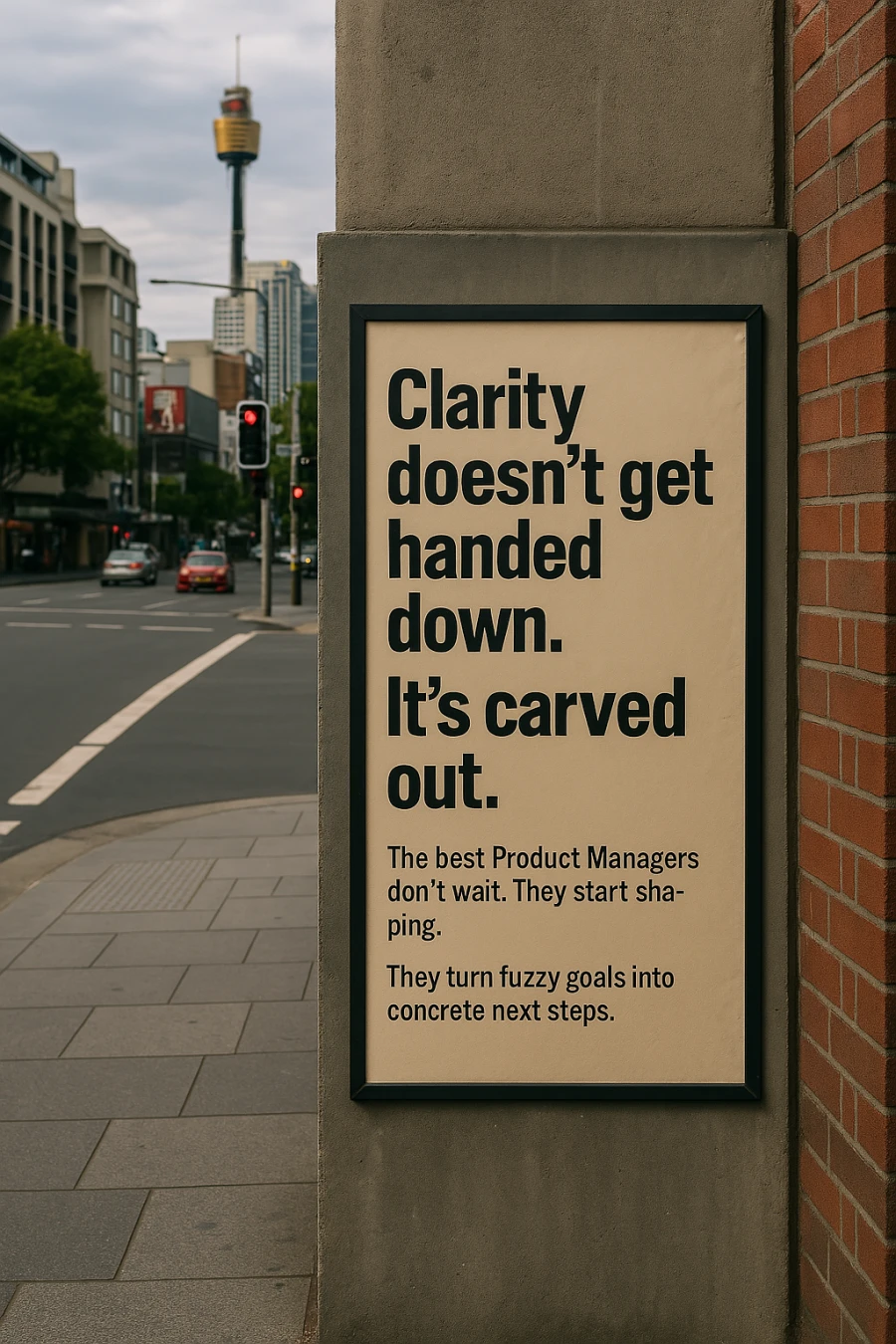
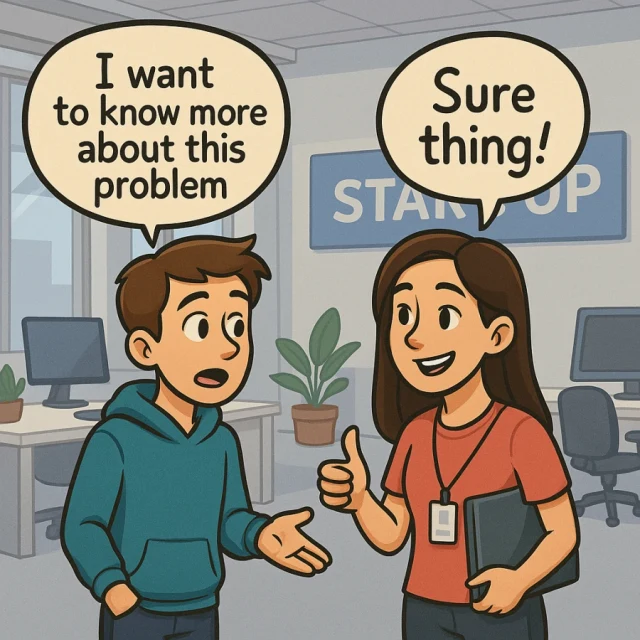
To build great products you need to start asking great questions.
A simple question: “What problem are we solving?” will shift a team's mentality from execution to purpose. And you can feel the exact moment when task-doers start to solve problems.
It's when they talk less about delivery and shipping features and ask more about business challenges, user pain points and the market. That's when they stop taking orders - and start shaping work.
Questions fuel curiosity and curiosity drives collaboration. Teams that ask deeply create better products.
You don't need to unlock that new revenue stream or build another new product that will "definitely be a hit".
A lot of leaders fall into the trap of chasing every opportunity, thinking they can manage it all. Then they delegate putting more on the team's plate. The team gets overwhelmed. Bottlenecks get created. The progress stalls.
Instead, focus. Success comes from deliberate, intentional decisions.
Centralised decision-making will always create bottlenecks. Sooner or later, this will prevent your company from growing.
Traditional and rigid organisations value hierarchy, and leaders often think they need to control every decision.
But this slows innovation, delays time to market, and prevents teams from learning.
Create a culture of ownership at every level. Empower your team to make decisions within their areas of expertise. Trust fuels faster progress.
Joining a new company as a leader is tricky and sometimes it does feel like stepping into chaos.
There's so much for you to process – new people, culture, challenges, expectations, competing and unclear priorities and pressure to deliver results.
I like to slow it down. I don't try to fix everything on day one. I focus on the context, the big picture first, understand the team and what they need my help with. Once I get where we are going and why, I can focus on the culture and processes to get to the destination faster with stronger teams.

It's crazy how many leaders don't know much about their team. They are not curious about their motivations or aspirations, not only professionally but also on a personal level.
Get to know your team. What are their hobbies? What are they exploring? How are their families? Where are they planning their next trip? What are they watching? What are they reading?
Make it a weekly session. It takes just half an hour but builds a much stronger connection. This is important. Stronger connection = more trust. More trust = better feedback, better communication, higher quality of work and more motivation.
Push others. Push yourself harder. High standards beat perfection. They beat pressure. They are built on one thing - refusing to let average settle in.
Call it out when your peers drift. Remind them what great looks like. Challenge your boss to reach higher. Hold the mirror up. Then hold yourself to an even sharper edge. Show them what it means to care - about the work, the craft, the outcome.
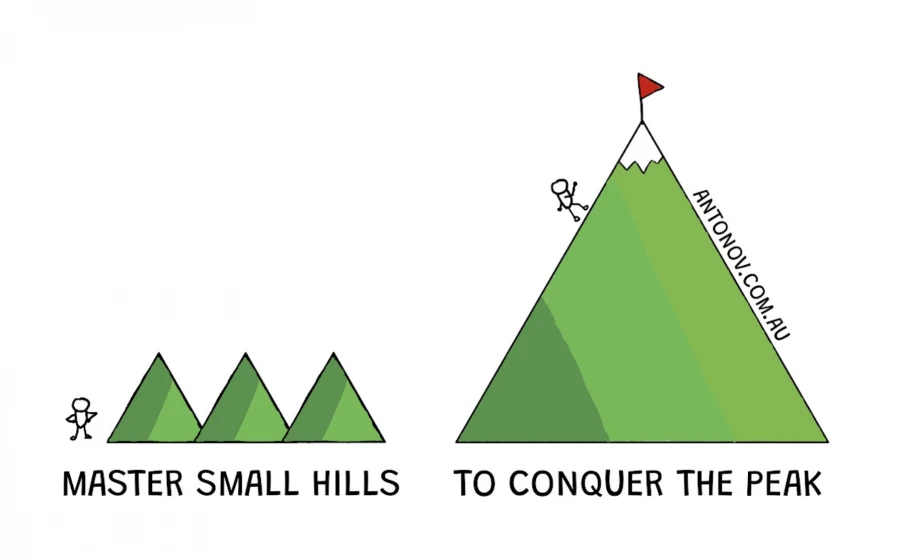
Pick one standard. Nail it. Then raise another. Layer it like muscle. Burnout comes from trying to change everything at once. Strength comes from building it piece by piece.
High standards are not loud. They are lived. Patience wins. But only if you refuse to lower the bar while you wait.
Most people confuse kindness with acceptance. Being kind doesn't mean tolerating mediocrity. Great teams grow because someone had the courage to raise the standard when it was easier to stay quiet.
Average is always looking for a way back in. It hides in phrases like “good enough” or “we'll fix it later.” Kill that thinking. Make high standards the default - not the exception.
Start small. One line of copy. One slide. One handover doc. Show the difference. Set the bar by example. Then hold the line. Hold it when no one's watching. Hold it when others let it slip.
That's how you lead without the title. That's how you make quality contagious. High standards are built in silence. But their results speak loud.
Yes, It's hard to hear criticism.
When someone points out your flaws, your gut reaction is 'WTF?!' - or in business terms, 'defensiveness.'
Of course, you want to protect your ego. You want to explain yourself, prove them wrong, or even tell them to f*** off. Tempting, isn't it?
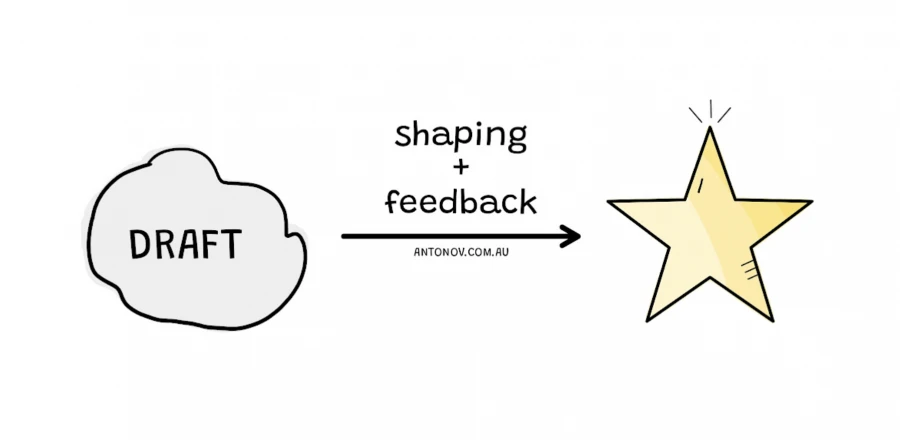
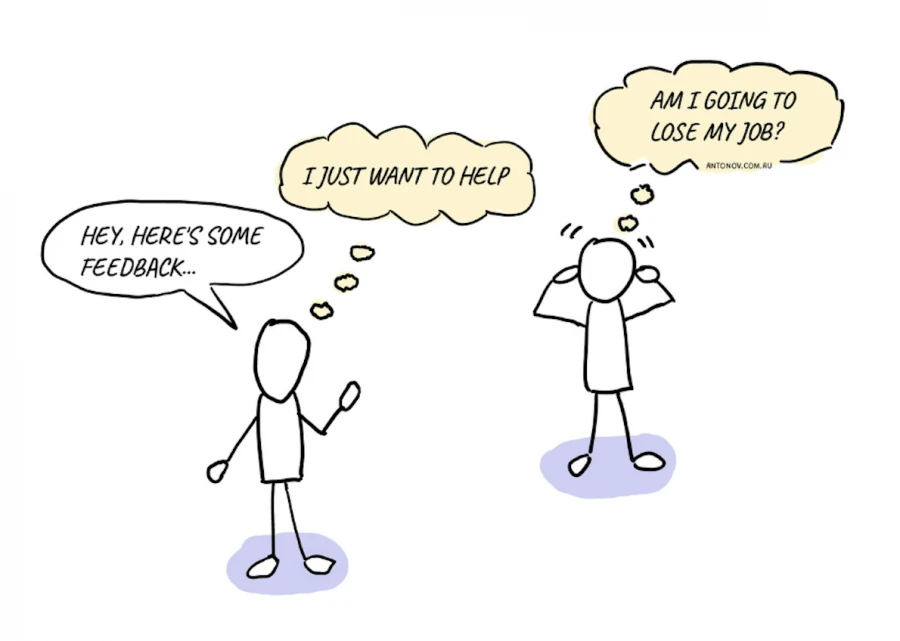
But defensiveness kills growth. Pause. Breathe. Ask yourself: 'What can I learn from this - even though I hate it?' Growth starts the moment you listen instead of emotionally react.
Nothing to learn from it? That's also ok but still thank the person who gave you feedback.
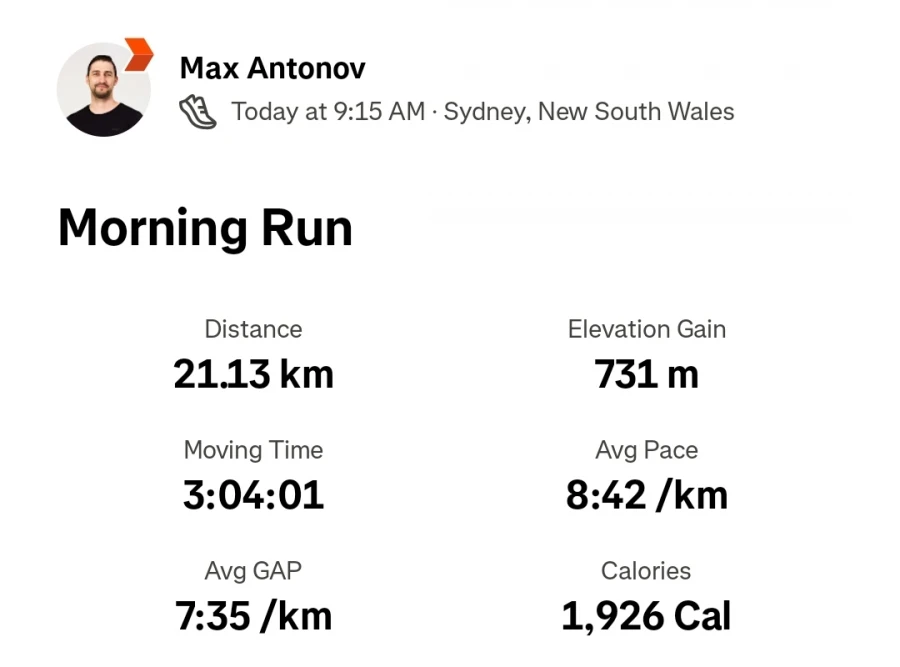
I don't like running in the morning. Or rather, I don't like the idea of it. What I really want is to have breakfast first, drink my coffee and then, a couple of hours later, think about exercise. But once the run is done, it feels great - like I've earned that big breakfast.
This morning, I went for an easy, scenic 10km run. My legs were still sore from Thursday's hill session, so I didn't (and honestly couldn't) push too hard.
Overall, I'm pretty happy with my progress (112km) in January. I've built up mileage quickly, especially considering I was struggling to run 3km at the end of December.

And I snapped a few pics of beautiful Sydney along the way.


The concept of a Trust Battery is that it typically starts at 50% and then every interaction charges or drains the trust battery.
It's interesting how, once you pass a certain percentage - let's say 80% (mind you, it's a bit abstract) - on the other person's Trust Battery, a shift happens. Walls drop. And suddenly the next level of collaboration unlocks.
Love these moments.
Progress motivates action. It's not just the reward; it's the feeling of progress that drives commitment.
Two groups of customers were given punch cards awarding a free car wash once the cards were fully punched. One group was given a blank punch card with eight squares; the other was given a punch card with ten squares that came with two free punches. Both groups still had to purchase eight car washes to receive a free wash; however, the second group of customers - those that were given two free punches - had a staggering 82 percent higher completion rate. Hooked: How to Build Habit-Forming Products
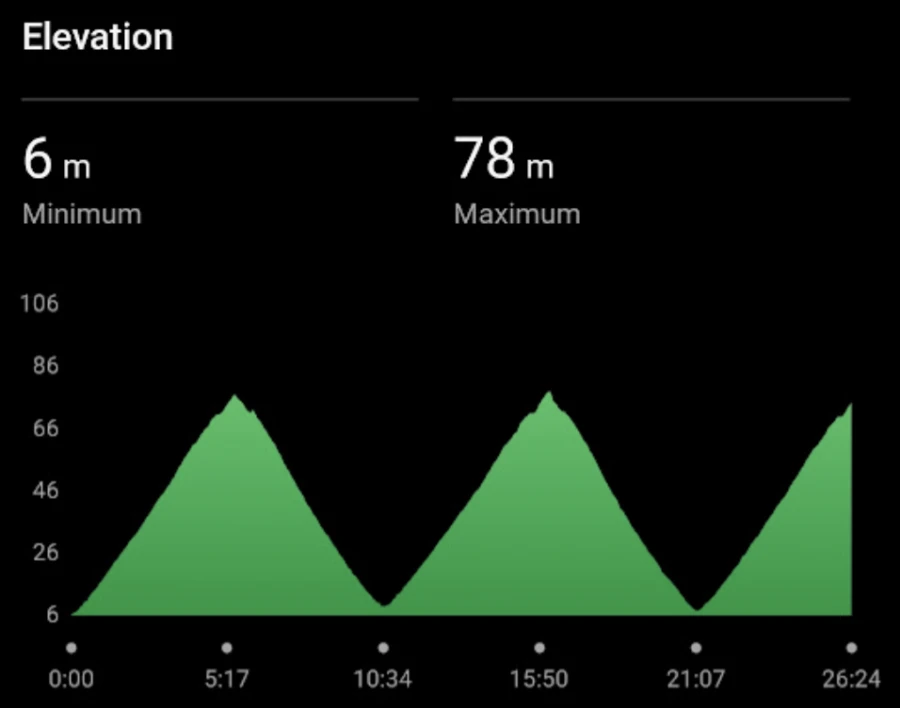
It's Thursday, which means hill running day. I can feel the gradual improvement compared to my last two hill runs - I'm feeling much stronger. It's still tough, but I'm covering more distance and tackling more elevation.
Today I did 12km, 437m elevation. The first 9km, I didn't switch to walking - I ran all the hills, which is a huge improvement! Looking forward to an easy run on the flats this weekend though!

Most engagement surveys don't measure engagement.
They measure vibes.
The problem isn't the intent - it's the output. You run a survey. You get a 67.8% “engagement score.” Someone builds a deck. Charts go up, comments stay anonymous, nothing changes.
That number doesn't tell you who's struggling. It doesn't tell you why trust is low. It doesn't tell you where the rot is starting. It just tells you people clicked a box.
Real engagement isn't a metric. It's a conversation.
Ask them how they're feeling. Ask what's blocking them. Ask what's making their work better - or worse. Then shut up and listen. Not just in surveys. In 1:1s. In retros. In offhand comments. The signal's already there. You don't need a dashboard. You need ears.
Pie charts don't build trust. Conversations do.
A quick training session tonight: SkiErg, rowing machine, plus some shoulders and arms work. Went all out on the SkiErg 500m, then rowed 500m too. Hit a PB on the SkiErg at 1:42.7!
Strangely enough, I'm actually looking forward to the hills session tomorrow!

Success comes from repeating the right words, not just saying them once.

Getting used to running hills is definitely going to take some time. Feeling good about building up to running them without needing to switch to walking.
On Thursday, I had a decent go at the hills in my local area. Did 9km in 1h 8m with 307m of elevation. I ran more this time compared to the week before, cutting my walking time down to 7m 24s. Last week, for the same distance, my walking time was 19m 50s, so that's already solid progress.

Yesterday, I tackled the Bondi Beach to Coogee Beach run and back - on tired legs. There are plenty of hills and steps along that route, adding up to 283m of elevation. It was just over 14km in total. I managed to run all the way to Coogee but walked the hills on the way back. Calves were sore. Legs felt a bit heavy, which makes sense as I'm ramping up both mileage and intensity.

Overall, I'm pretty happy with the progress, but there's still plenty of hard work ahead before UTA50.
110 days to go!

Search
Explore pillars