I'm a father of 3 from Sydney, a Product Director and a Product Coach. I write about leadership, product management and the messy reality of making work work.
I'm currently building and experimenting with a mildly alarming number of things.
Subscribe to the best posts on product, strategy, and AI. Just one email a month.
How to get better answers from your peers.
Instead of asking your peers to weigh in on different options and the best solution, just give them a solution. Stake a claim. Make it visible. Then let them shoot holes in it.
Framing it as “Here's my current thinking, based on the information I have today” does two things. It keeps you from sounding arrogant. And it opens the door for others to improve it. Feedback gets sharper. Responses come faster. The conversation shifts from “What should we do?” to “What's wrong with this?”
That's how you get to better answers...faster.
P.S. Not for every situation - just the ones where speed matters and your peers already trust you.
Some execs get product-led growth wrong.
They confuse it for a team chart shift. Treat the product team like glorified BAs. Let sales keep owning the funnel.
But product-led growth isn't a structural tweak. It's a go-to-market motion. Product isn't there to “gather requirements” - it drives the entire engine. From first click to expansion. Sales doesn't disappear but it stops being the gate. It becomes a guide.
Leave product out of the funnel and you're not doing PLG. Putting lipstick on a sales funnel.
Brilliance doesn't excuse bad behaviour.
Some leaders get away with everything. They shout. Interrupt. Get angry. Dismiss. Their results or tenure buy them silence. People tiptoe around them. Their tantrums get labelled “passion”. But under the surface, the team is hurting. The fear is real. Ideas shrink. Collaboration dies. Turnover spikes. The cost isn't loud. It's quiet...and compounding.
And here's the lie: “We need them”.
No, you don't.
You're just scared of the gap they'll leave. But that gap creates space for healthier leadership, for calmer thinking, for people who can deliver and respect others. High performance doesn't have to come wrapped in chaos. The best leaders know when to push, when to listen and when to shut up.
It's not enough to be brilliant. You have to be someone others want to follow.
Culture gets built by who you promote and protect. Letting toxic behaviour slide, just because someone's talented, tells the whole team one thing: this behaviour is ok. And that message spreads. Fast.
So stop making excuses for bullies. If they can't lead with discipline, they don't get to lead at all.
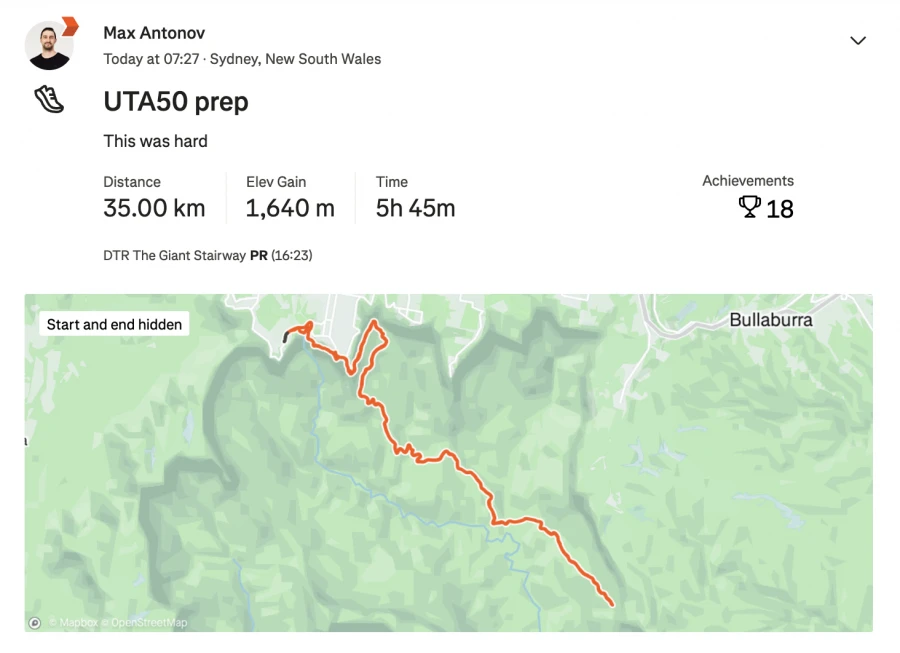
This route is brutal but beautiful. Elevation like this breaks most runners. But it also builds something race day can't fake - grit.


Feedback delayed is feedback diluted.
After two weeks, the lesson goes cold. Details fade. Emotions disappear. What could've been a clear moment becomes a blur.
You try to explain what went wrong. Or what went right. But the context's gone. The person nods but doesn't feel it. They can't replay the moment in their head. The energy's moved on.
Feedback works when it's fast. “In that meeting just now…” hits different than “Remember that thing two weeks ago?” One feels sharp. The other feels vague. Fresh feedback still has signal in it. Wait too long, and all you're left with is noise.
Don't hold it back. Say “great job” when the win is fresh.
If something was worth noticing, it's worth saying. Right now. Say it while the moment's still alive.
Yeah, everyone's talking about ChatGPT image generation online - and I get it. It's addictive and pretty entertaining.
One of the cooler ways to use it is by turning a rough sketch into something way more polished.
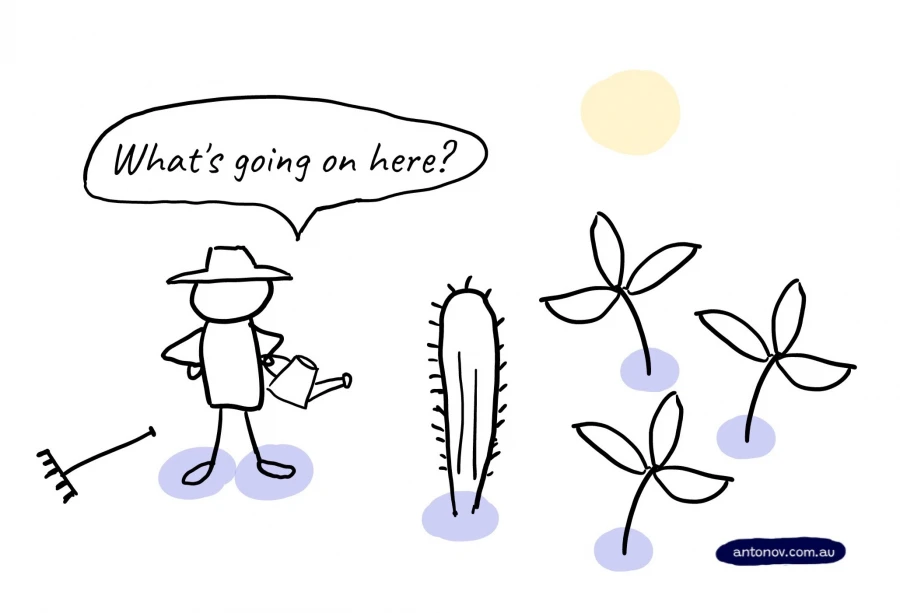
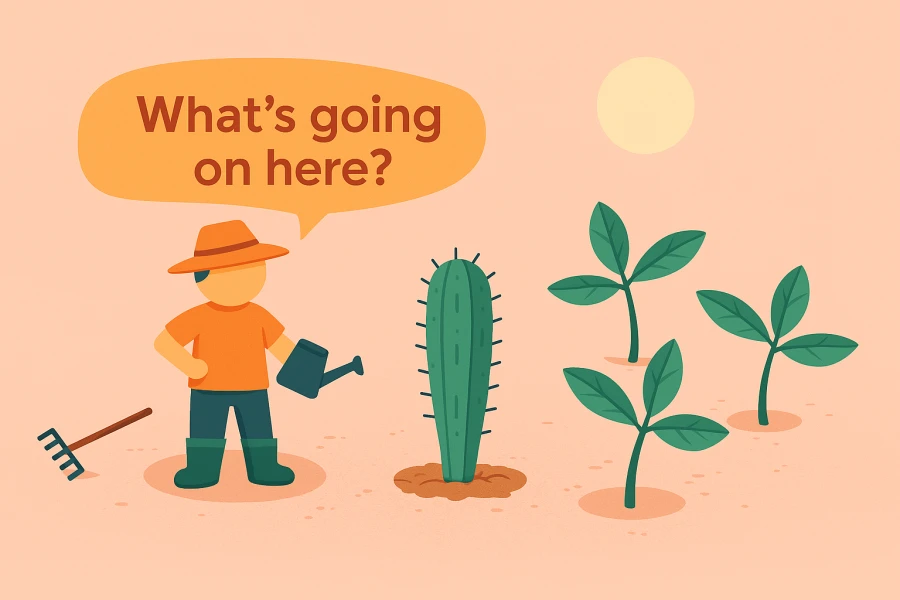
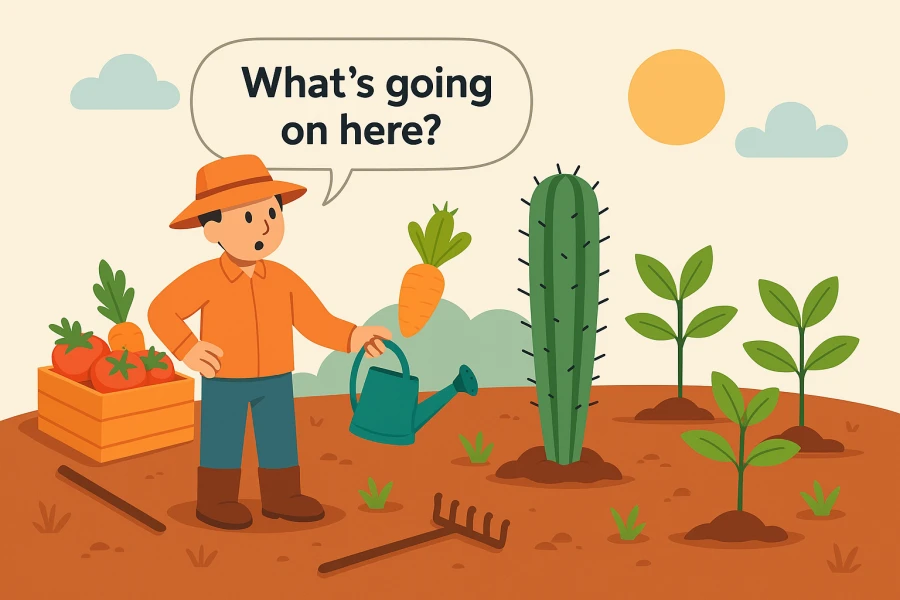
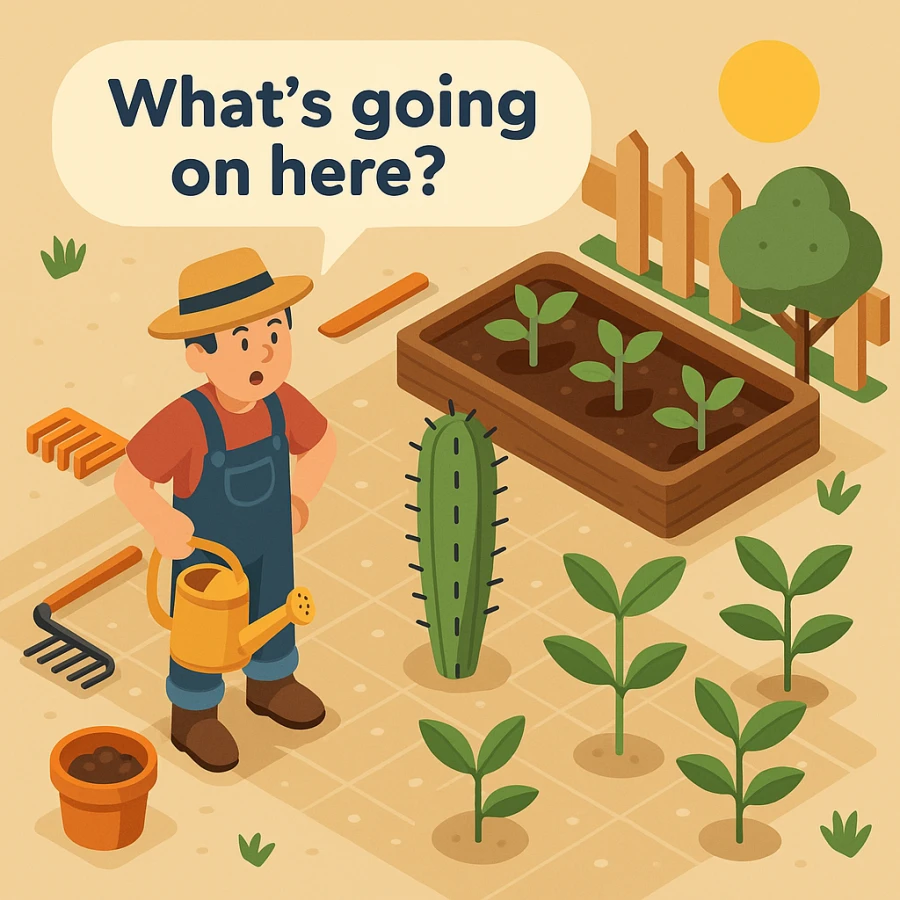
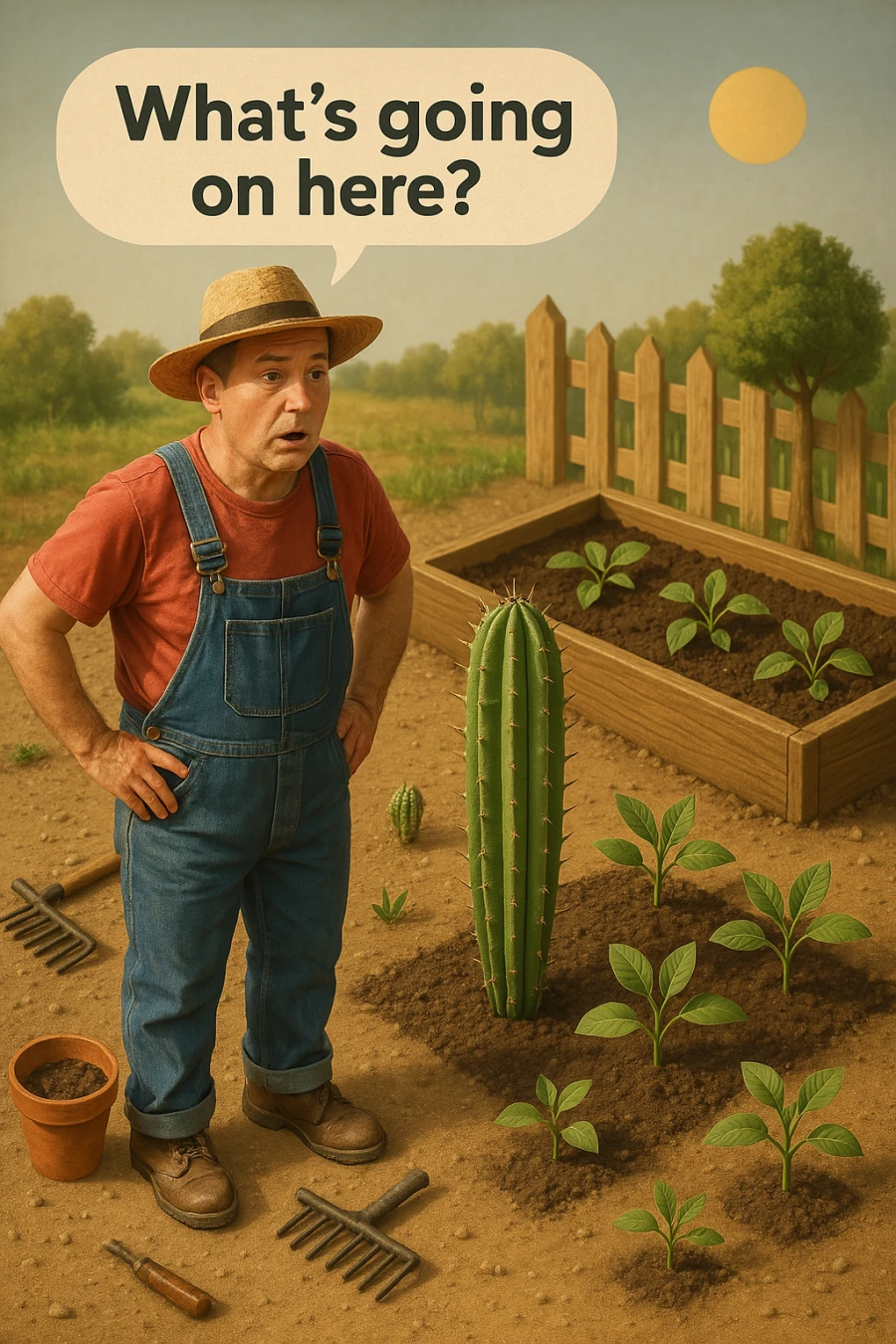
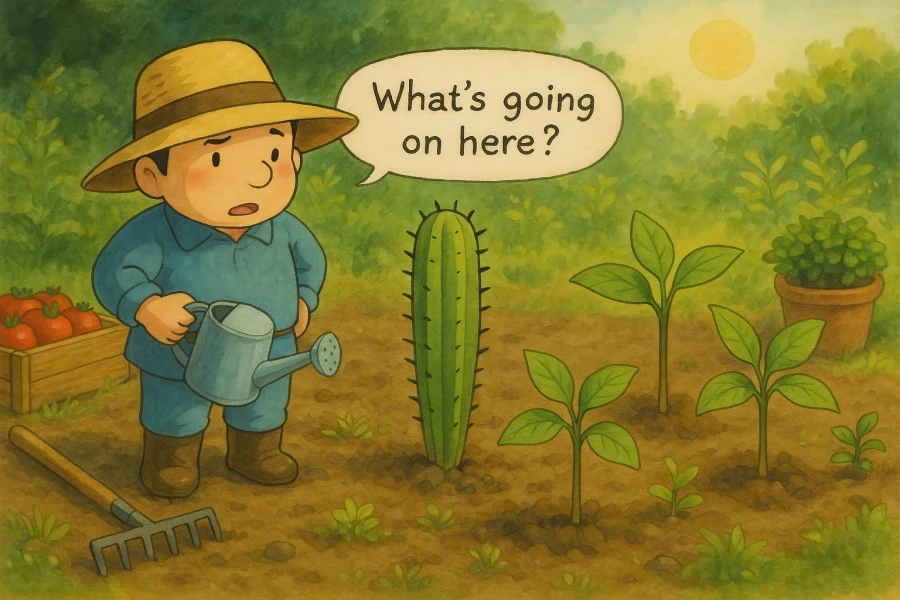
Here's one of my early, messy drawings I made for the “Cultivate and Cut” post. I always meant to come back and clean it up but never got around to it. So I asked ChatGPT to turn it into an illustration - and honestly, the quality blew me away.
Here's my (ugly) original drawing:

Then I asked for an illustration version:

Next, I asked it to add some extra details:

Then I tried an isometric version:

Then photorealistic:

And finally, a Ghibli-style version:

I'm definitely going to keep playing around with turning my sketchy concepts into full illustrations. This is just too much fun.
A morning run. Half-marathon with over 700 m of elevation. Three hours on the legs.
That's not just training - that's mental conditioning. This was another brick in the UTA50 wall. Quiet work. Honest effort. A long session that burns the calves and builds the mindset.
Pace doesn't matter when the elevation looks like a mountain range. What matters is showing up. What matters is stacking these efforts week after week.
You don't finish UTA50 on race day. You finish it here. In the sweat. In the silence. In the rain. In the Sunday slogs when no one's watching.

Product Managers wait for clarity that never arrives.
They expect the strategy doc to have the answers. But nothing lands. Just more PowerPoint slides.
Because the higher up you go, the blurrier it gets. Goals get loftier. Language gets vaguer. No one wants to be wrong. So they delay, they decorate confusion with buzzwords. It feels smart but it isn't clear.
The best Product Managers don't wait. They start shaping. They turn fuzzy goals into concrete next steps. They don't chase alignment. They chase decisions. They poke holes (even when it creates discomfort). They write the draft no one asked for. They map the fog, not run from it.
Because anyone can follow a plan. But great Product Managers can make one. They stop asking “What's the direction?” and start saying “Here's what I'm seeing - poke holes in it”

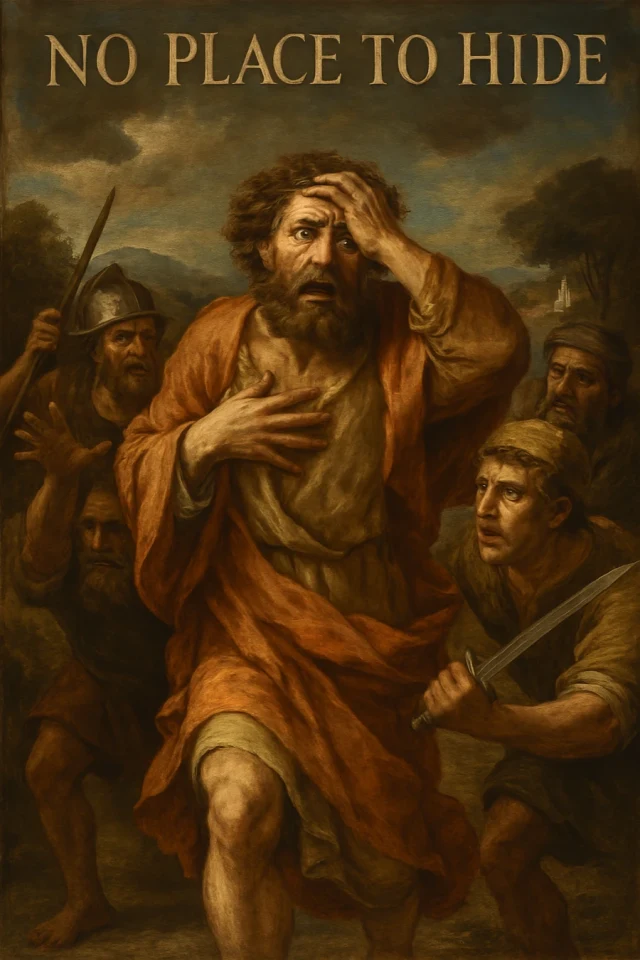
I had to....sorry, not sorry #ghibli

Change doesn't come from a reorg or a new title on a slide.
It comes from the person who says, “This isn't good enough,” and then does something about it. Quietly. Consistently. Without waiting for permission. That's what standards are - choices made over and over, even when they're inconvenient, invisible, or unpopular.
The real power isn't in setting high standards. It's in holding them when no one's watching. When shortcuts are easier. When mediocrity is the norm. That's where most people cave. They look around, see no one else pushing, and assume it's not worth the fight.
But it is.
Every time someone sticks to their standard, it makes space for someone else to do the same. Not with big declarations, but with small acts of defiance against the average.
The more people who hold the line, the easier it becomes to draw a new one. Holding the line isn't easy - but a product management coach can support you in leading with consistency.
Search
Explore pillars