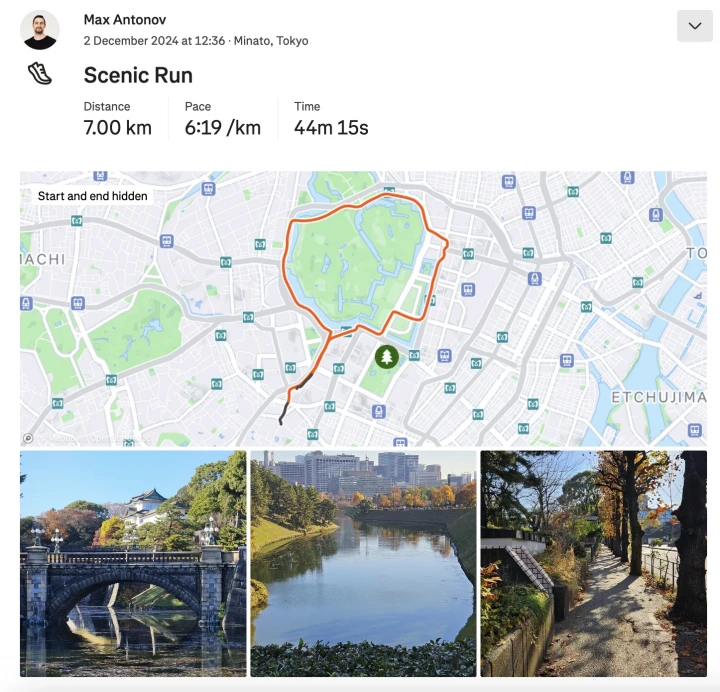
Everything feels small in Tokyo - apartment blocks, windows, balconies, even doors. It's so tiny that in some places, I don't quite fit!

I'm a father of 3 from Sydney, a Product Director and a Product Coach. I write about leadership, product management and the messy reality of making work work.
I'm currently building and experimenting with a mildly alarming number of things.
Subscribe to the best posts on product, strategy, and AI. Just one email a month.
Everything feels small in Tokyo - apartment blocks, windows, balconies, even doors. It's so tiny that in some places, I don't quite fit!

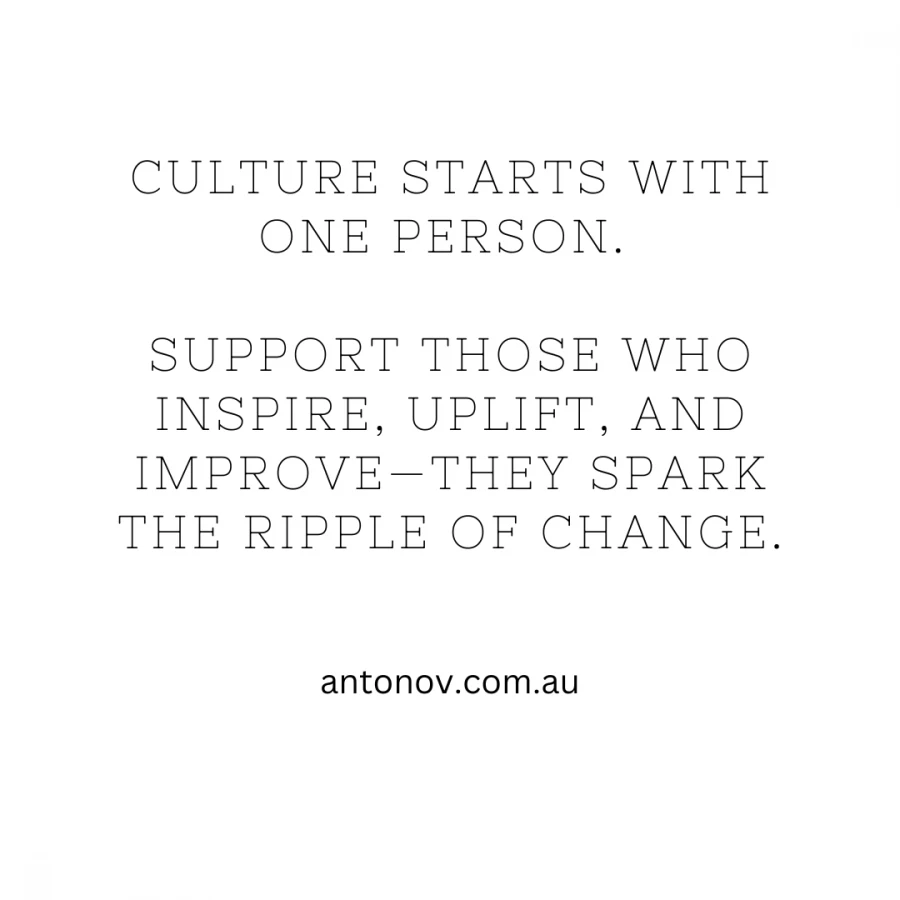
Culture is shaped by the people within it. Sometimes, one person is all it takes to spark positive change.
An employee who offers genuine encouragement, lends a hand to solve a problem or suggests small but meaningful improvements can transform a team's energy - one action at a time.
This is the quiet yet powerful force of influence.
Amplify their voices. Support them. Elevate them.
Let their impact ripple further.

Silos.
Break them whenever you see them.
Silos keep teams from seeing the whole market picture.
Silos risk losing sight of the customer, prioritising internal goals and creating a fragmented experience.
Silos slow everything down - teams hold onto information, delaying solutions.
Silos leave teams blind to risks outside their scope.
Sometimes it's hard to tell if someone's perspective is genuinely the best approach or if they're just anchored in familiar thinking. What if they don't even know what “awesome” could look like?
On the other hand, knowing when to hold your ground versus when to let things go can be even trickier. What if I don't know what “awesome” feels like and am just comfortable with my usual approach?
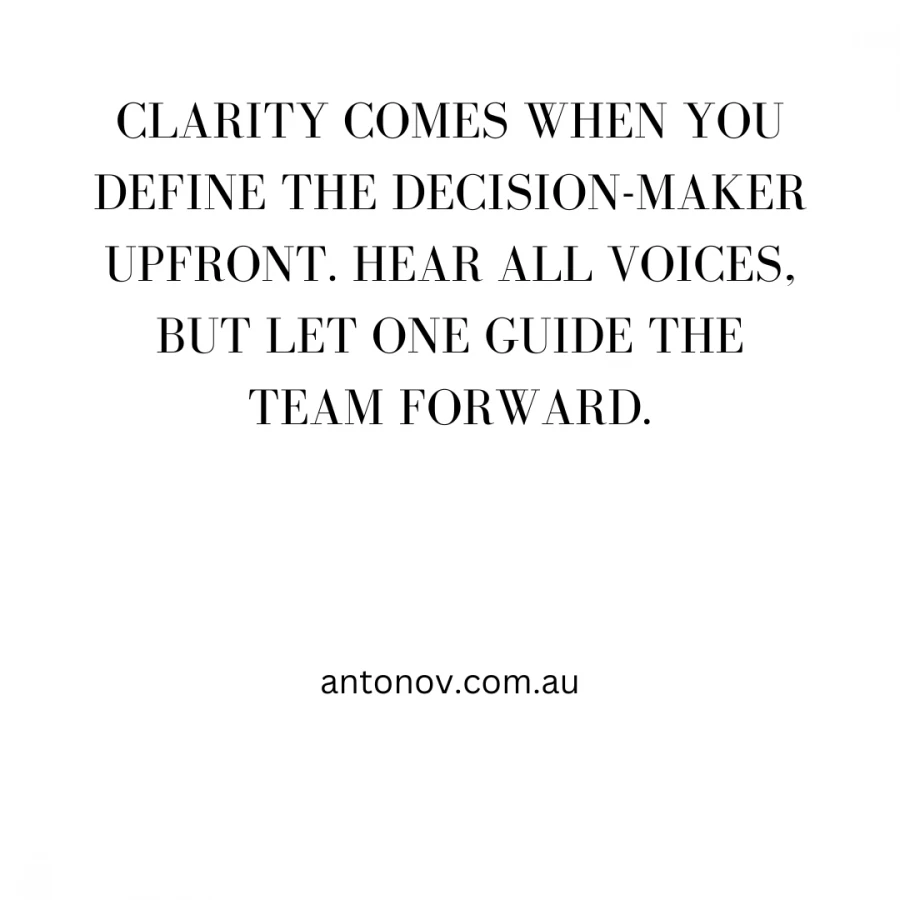
Define who's making the call before a debate starts.
That person takes in everyone's input but in the end they own the final decision.
It cuts down on endless debates and helps the team align around a single direction - even if not everyone agrees at first.

Marathon done! ✅
What an incredible experience. Running across the Sydney Harbour Bridge and soaking in the amazing views was unforgettable. The support along the course was fantastic, with spectators holding up funny signs like "Don't be shit" that kept me laughing.
I finished in 5h 10m - not the fastest, but my goal was to finish, so I didn't push too hard.
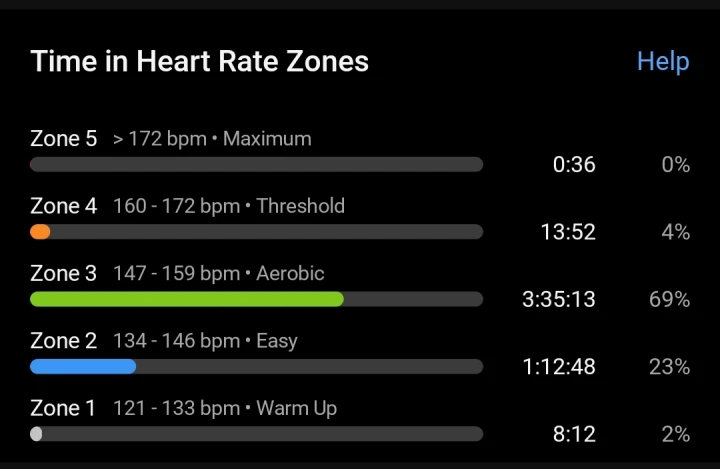
My plan was to stay in Zone 2 for the first 15km, then stick to Zone 3 as long as possible and I managed to do just that. I hit a couple of cramps in the second half but powered through with cramp shots (disgusting, but they work).

Everything went smoothly, from pacing to nutrition, so I'm really happy with it.
Next year, now that I know what to expect, I'll be ready to push harder! 💪

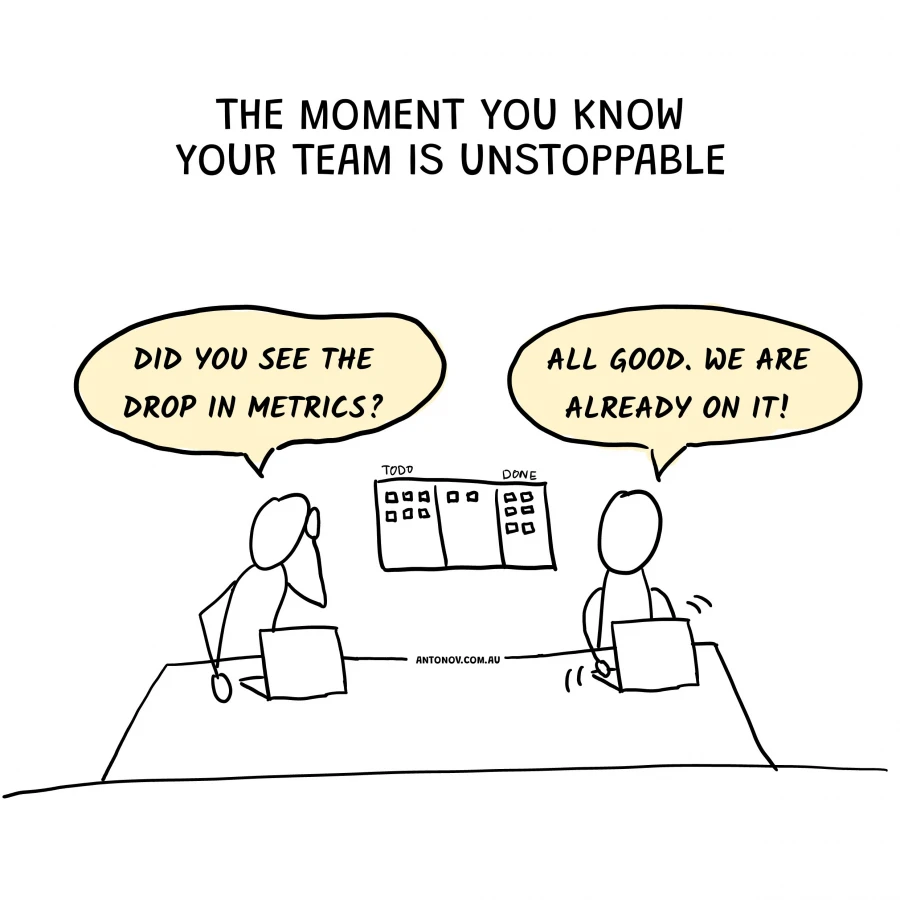
A short post about unstoppable teams.
All teams will face this moment sooner or later.
Torpedoes hit and chaos erupts. This feels like the end.
You see those who freeze and are lost in analysis or despair. Others grab buckets, extinguish fires and patch the holes. Those who can't handle the shitstorm often leave or, worse, switch off - but the team that stays learns.
Each crisis builds resilience and over time, the screams fade, the paralysis lessens and the team grows steady.
One day, the torpedo hits again but nobody panics. Everyone acts, shoulders the load and trusts each other to hold the line.
That's the moment you know your team is unstoppable.

If you're a Product Manager, let the Product Designer lead when they're handling tasks well.
Shift your focus to strategy or collaboration, stepping in only if quality slips - then step back again.
Agility is misunderstood. True agility adapts to change without succumbing to chaos. It's never about rushing decisions.
The best teams balance flexibility and structure. Agility thrives on collaboration, iterative progress and responsiveness - anchored by clear direction. Without this balance, chaos replaces speed and quality falls victim to a mirage of progress.
Agile isn't a strategy. It's how strategies breathe.
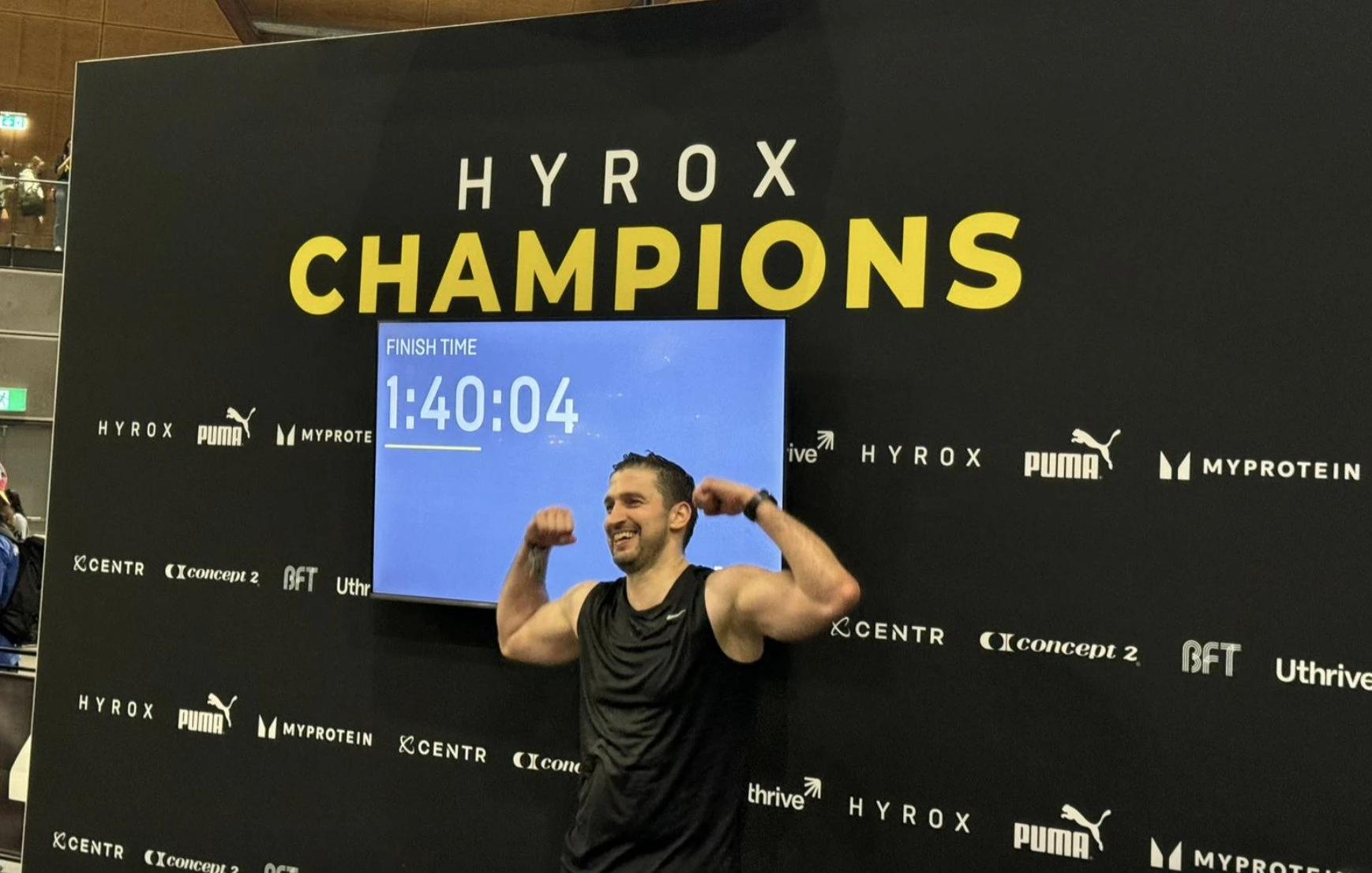
Hyrox done! ✅
Happy that I finished but not quite happy with the time. I was aiming for ~1h 30m, but it was a bit heavy today.
Will do it again next year!

Using no-reply emails puts up a barrier and can leave customers feeling ignored.
Instead, businesses should use email addresses that invite replies and ensure responses. It's a simple way to build stronger relationships and gather valuable feedback.
TIL. Radio stations use the Radio Data System (RDS) to send song information alongside their broadcast. RDS embeds digital data into the FM signal without interfering with the audio.
The data travels on a subcarrier frequency - a portion of the FM signal reserved for extra information. This allows song titles, artist names, and station details to display on your car's radio screen. Simple, seamless and clever.

Search
Explore pillars